
The 10 Best Workout Snacks Compared
Exercise Snacks vs. Traditional Training
Before we dive into the food, we need to address a trend that is changing how we look at fitness in April 2026: exercise snacks. If you’ve ever felt like you don’t have time for a 60-minute gym session, this concept is for you. In the world of 2026, the “all-or-nothing” approach to fitness is being replaced by “micro-fitness”—the idea that small, frequent movements are more sustainable than infrequent, grueling workouts.
An “exercise snack” isn’t something you eat; it’s a brief period of high-intensity movement—usually lasting between 20 seconds and two minutes—performed throughout the day. Research shows that doing these short bursts three times a day, seven days a week, can significantly improve your cardiovascular health and aerobic fitness. This approach lowers the barrier to entry for those with demanding schedules, making health accessible regardless of your calendar.
While the global recommendation is 150 minutes of moderate-intensity aerobic exercise each week, many of us struggle to hit that because of sedentary behavior at our desks. Exercise snacks allow you to “snack” on movement during a coffee break or between meetings, effectively breaking up long periods of sitting which can be detrimental to metabolic health.
Practical examples that require zero equipment include:
- Stair climbing: Briskly walking up and down a flight of stairs for 60 seconds.
- Chair squats: Standing up and sitting down from your desk chair repeatedly.
- Jumping jacks: A classic heart-rate booster you can do anywhere.
- Push-ups: Great for upper body strength during a quick break.
In fact, 71% of participants in recent studies preferred these short bursts over structured HIIT sessions because they are easier to fit into a busy life. If you can eat your way to a promotion with these snacks, you can certainly find two minutes to move your body. This integration of movement into daily life is the future of sustainable wellness.
The Science of Pre-Workout Fueling
When it comes to the food side of workout snacks, think of your body like a car. You wouldn’t drive across the country on an empty tank. To perform your best, you need glucose—the sugar in your blood—and glycogen stores in your muscles. When you consume carbohydrates, your body breaks them down into glucose for immediate energy or stores them as glycogen for later use. During high-intensity training, your body relies heavily on these glycogen stores; if they run low, your performance will inevitably suffer.
The ideal pre-workout snack follows a 3:1 carb-to-protein ratio. We generally recommend aiming for about 200–250 calories, consisting of 30–60 grams of carbohydrates and 5–15 grams of protein. This specific ratio ensures you have enough fuel to power through your session while providing a small amount of amino acids to protect your muscles from excessive breakdown.
Digestive comfort is the name of the game here. You want to avoid high-fiber and high-fat foods right before training because they take longer to digest and can cause cramping or “heavy” stomach feelings. Instead, focus on 11 Easy-To-Digest Snacks That Fuel Your Workout to ensure the energy goes to your muscles, not your digestion. If you’re looking for more variety, check out these x awesome quick high protein snacks to try today.
The Best Pre-workout snacks for Quick Energy
Timing is everything. If you are eating 30–60 minutes before your workout, you need simple carbohydrates. These break down quickly to give you an immediate energy boost without sitting heavily in your gut.
- Medium Banana: The ultimate gym bag staple, providing about 27g of fast-acting carbs and potassium to prevent cramping.
- Applesauce: Easy to digest and provides a quick glucose spike, perfect for early morning sessions.
- Fruit Leather: Concentrated fruit sugar that is highly portable and shelf-stable.
- Pretzels: Provides simple carbs and a hit of sodium to help with hydration and fluid balance.
- Energy Gels: Specifically designed for rapid absorption during intense training or endurance events.
The 10 Best Workout Snacks Compared
Choosing the right workout snacks depends on your specific goals and how much time you have before you start sweating. Whether you need a quick hit of glucose for a sprint or a slow-release protein source for recovery, the following comparison helps you identify the best options based on macronutrient profiles and optimal timing. Here is how the top contenders stack up:
| Snack Item | Calories | Carbs | Protein | Best Timing |
|---|---|---|---|---|
| Medium Banana | ~105 | 27g | 1g | 30 min before |
| Greek Yogurt (Non-fat) | ~100 | 7g | 13g | 1-2 hours before |
| Peanut Butter Toast | ~190 | 17g | 7g | 1 hour before |
| Hard-Boiled Egg (1) | ~70 | 0.5g | 6g | Post-workout |
| Cottage Cheese (1/2 cup) | ~90 | 6g | 14g | Post-workout |
| Pickle Juice (2 oz) | ~5 | 1g | 0g | During/Post |
| Chocolate Milk (1 cup) | ~150 | 26g | 8g | 30 min after |
| Oatmeal (1 cup cooked) | ~160 | 27g | 5g | 2 hours before |
| Hummus & Pretzels | ~220 | 28g | 5g | 1 hour before |
| Trail Mix (1/4 cup) | ~170 | 15g | 5g | Mid-workout |
For those looking to get creative with their veggies, try beyond rice cakes and peanut butter quick bell pepper and celery bites for a refreshing crunch that won’t weigh you down.
Recovery Essentials: Post-Workout Nutrition
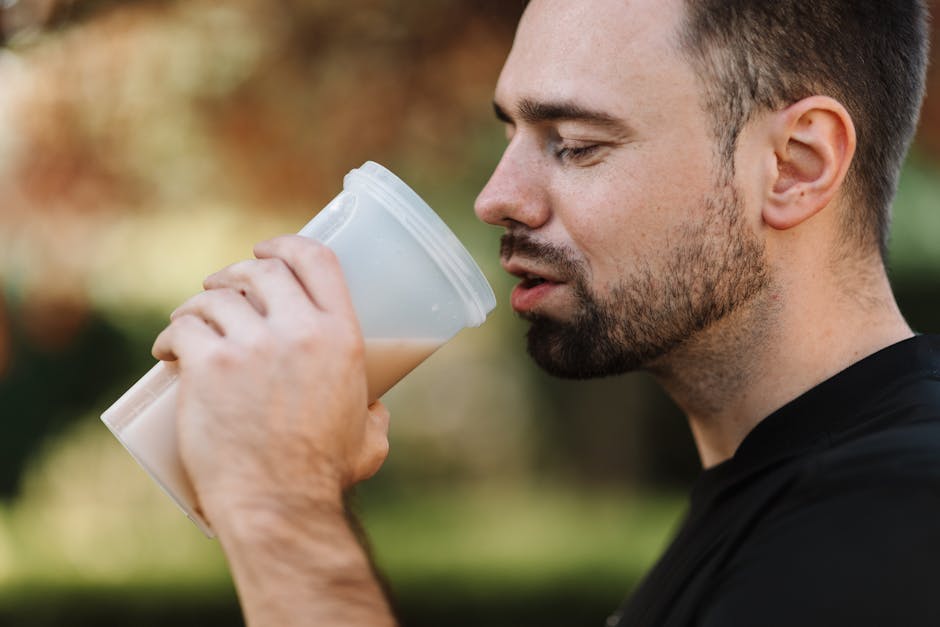
Once you’ve finished your last set, the focus shifts from energy to muscle repair. During exercise, you create microscopic tears in your muscle fibers. Protein provides the amino acids needed to fix those tears, making the muscle stronger and larger over time. This process, known as muscle protein synthesis, is most efficient when the body has a steady supply of high-quality nutrients.
For optimal recovery, aim for 20–30 grams of protein within about an hour of finishing. However, don’t forget the carbs! Especially after endurance training, a 4:1 carb-to-protein ratio is recommended to replenish the glycogen you just burned. Carbs also trigger an insulin response, which helps shuttle those amino acids into your muscle cells more effectively.
Hydration is the other half of the recovery equation. You lose water and electrolytes (like sodium and potassium) through sweat. This is where pickle juice has become a cult favorite in the fitness world; the high sodium content can help stop muscle cramps in their tracks and help your body retain the water you drink.
For more inspiration, check out these 26 Post-Workout Snacks for Steady Energy and learn how to stop the fridge raid with these healthy evening protein snacks.
Effective Post-workout snacks for Muscle Recovery
The “anabolic window”—the idea that you must eat within 30–60 minutes or lose your gains—is a bit of a fitness myth. While it is ideal to eat soon after training to jumpstart recovery, your body remains receptive to nutrients for several hours. Consistency in your daily protein intake is often more important than the exact minute you consume your post-workout shake.
- Cardio vs. Strength: After a long run, focus more on replenishing carbs (like a smoothie with fruit). After heavy lifting, prioritize protein (like a chicken and rice bowl or Greek yogurt) to support tissue repair.
- HIIT Fueling: High-intensity intervals burn through glycogen fast; a mix of chocolate milk and a banana is a classic recovery combo here because it provides both fast and slow-digesting nutrients.
- Flexibility Nutrition: For yoga or mobility work, you may not need a massive protein hit. Coconut water is a great choice here for light rehydration and potassium without unnecessary calories.
- Protein Synthesis: Consuming protein consistently throughout the day is just as important as your post-workout snack for long-term muscle growth and metabolic health.
Frequently Asked Questions about Workout Snacks
Who should consult a doctor before starting exercise snacks?
While exercise snacks are generally safe, anyone with pre-existing heart conditions or significant orthopedic issues should get medical clearance first. Because these “snacks” are meant to be high-intensity (to the point where it’s hard to speak), they put a sudden load on the cardiovascular system. This rapid increase in heart rate is beneficial for healthy individuals but requires caution for those with underlying health concerns. Always seek personalized advice before starting intense nutrition plans or new vigorous exercise routines.
What foods should be avoided before a workout?
To avoid digestive distress, stay away from:
- High-fat foods: Think burgers or heavy cheeses; these sit in the stomach and can cause sluggishness because they take much longer to break down.
- High-fiber foods: Large salads or bean-heavy dishes can cause gas, bloating, and discomfort during movement.
- Spicy foods: These can lead to heartburn or acid reflux when your body is bouncing around during a workout.
- Excessive Sugar: While simple carbs are good, a massive “sugar bomb” can lead to an insulin spike followed by an energy crash halfway through your session.
How does hydration impact workout snacks?
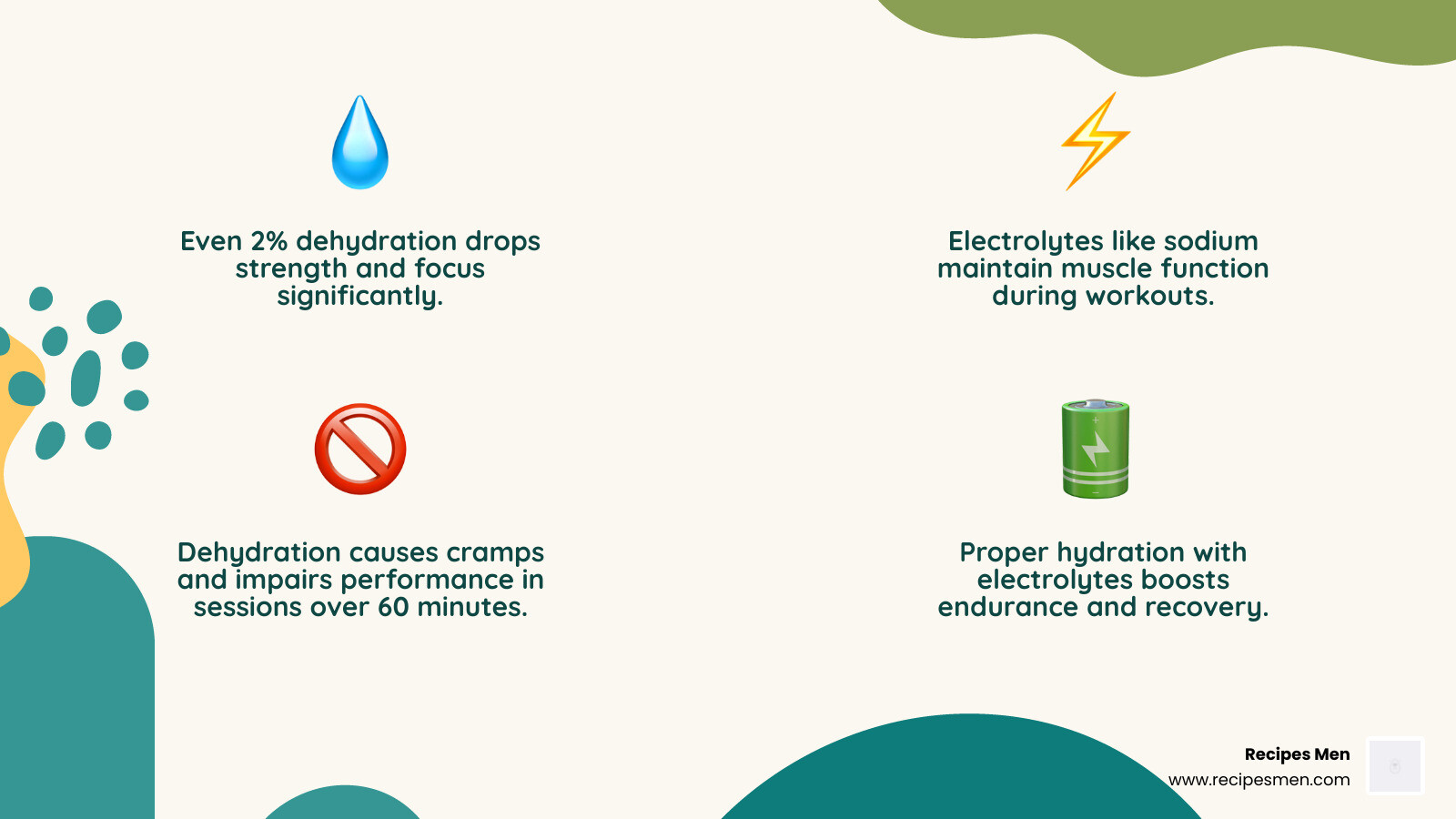
Hydration is the foundation of performance. Even 2% dehydration can lead to a noticeable drop in strength, focus, and endurance. Water intake should be consistent throughout the day, not just during the workout. For sessions longer than 60 minutes, electrolyte balance becomes crucial. Adding a pinch of salt to your water or drinking a sports drink helps with sodium replenishment, which supports muscle function and provides a performance boost by preventing cramps. Furthermore, electrolytes like magnesium and potassium are essential for nerve transmission; without them, your muscles won’t fire as efficiently, leading to premature fatigue.
Conclusion
At RecipesMen, we believe that fitness shouldn’t be complicated or overwhelming. Whether you are using workout snacks to fuel a heavy lifting session or “snacking” on a flight of stairs to break up a long day at the office, the key is consistency. By understanding the science of fueling and recovery, you can take control of your energy levels and see better results from your hard work.
By matching your nutrition to your activity type and timing your snacks correctly, you support long-term fitness goals like muscle gain and weight loss without feeling deprived. It is April 2026—the year you finally stop overthinking your diet and start fueling your potential with simple, effective strategies.
More info about healthy recipes

