
A Simple Depression Meal Plan for When Life Feels Heavy
When Life Feels Heavy, Food Can Help You Fight Back
A depression meal plan isn’t a cure — but it’s one of the most practical tools you have to start feeling a little better, one meal at a time.
Quick answer: What should a depression meal plan include?
- Fatty fish (salmon, sardines) 2-3x per week for omega-3s
- Leafy greens and colorful vegetables — aim for 5+ servings daily
- Whole grains like oats, quinoa, and brown rice to support steady energy
- Lean protein (eggs, turkey, chickpeas, Greek yogurt) at every meal
- Nuts and seeds (walnuts, chia, flaxseed) for healthy fats and magnesium
- Fermented foods (yogurt, kefir, kimchi) to support gut health
- Plenty of water — at least 8 cups daily
Foods to limit: added sugar, alcohol, ultra-processed snacks, and fried foods.
Here’s the hard truth about depression and eating: when you’re struggling, the last thing you want to do is cook. Low energy, zero motivation, and a foggy brain make even a simple meal feel like climbing a mountain.
But what you eat directly affects how your brain functions. Research published in journals of nutritional psychiatry shows that people who follow healthy eating patterns have a significantly lower risk of developing depression. One major clinical study — the SMILES trial — found that 32% of participants who followed a modified Mediterranean diet achieved remission from depression after 12 weeks, compared to just 8% in a control group.
That’s not a small number.
This guide is built for real life. No complicated recipes. No expensive ingredients. Just simple, practical meals that support your mood — even on the days when getting off the couch feels like an achievement.
The Science Behind Your depression meal plan
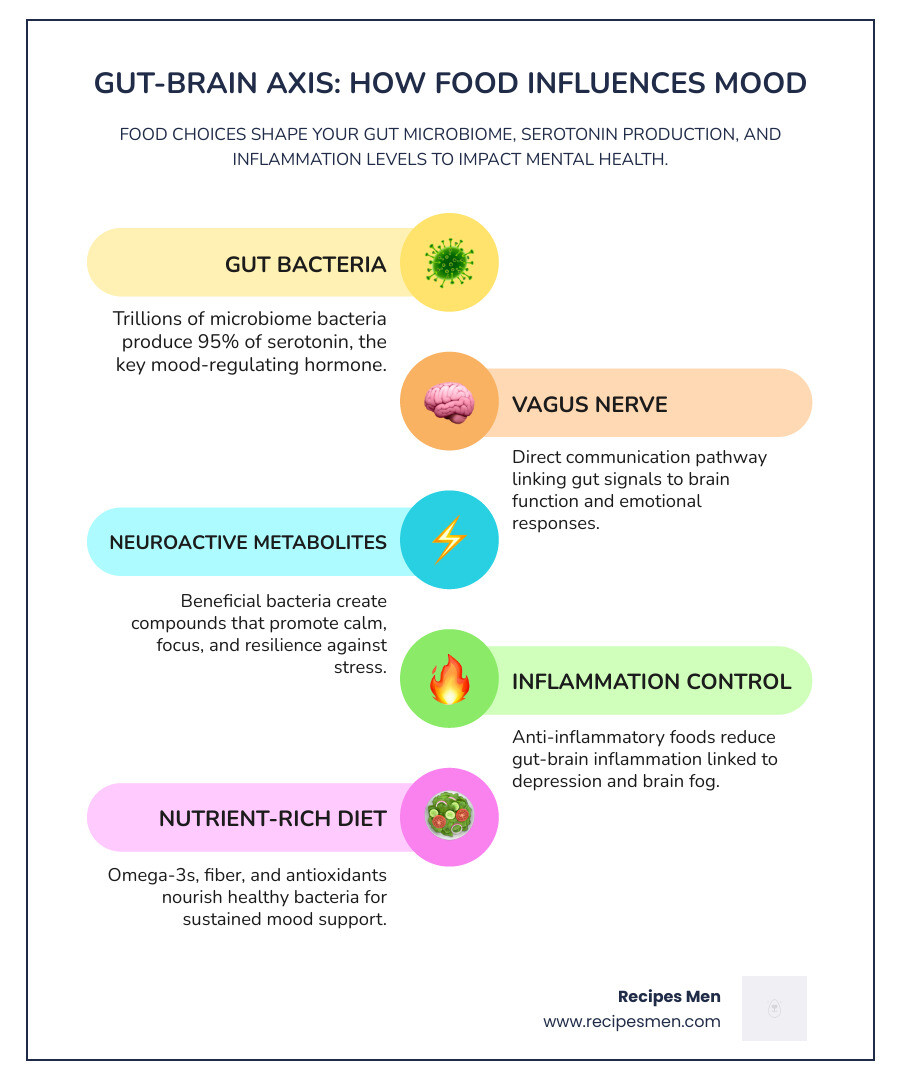
As we navigate through April 2026, the field of nutritional psychiatry has evolved from a niche interest into a cornerstone of mental health care. We now know that the gut and the brain are in constant communication via the vagus nerve. This is often called the “gut-brain axis.”
Inside your gut live trillions of bacteria known as the microbiome. These bacteria produce neuroactive metabolites, including about 95% of your body’s serotonin—the “feel-good” hormone. When we eat a diet high in ultra-processed “junk” foods, we fuel pro-inflammatory bacteria. This inflammation doesn’t just stay in your gut; it can travel to your brain, potentially worsening symptoms of depression and brain fog.
Evidence from a 2021 synthesis of research involving over 150,000 individuals found that adherence to a healthy diet is consistently associated with a reduced risk of depression. Furthermore, people with major depression often have higher Dietary Inflammatory Index (DII) scores, meaning their diets are more pro-inflammatory. By following a Brain-Nourishing Meal Plan, we can lower this inflammation and support Brain-Derived Neurotrophic Factor (BDNF), a protein that acts like “Miracle-Gro” for your brain cells.
Essential Nutrients for a depression meal plan
To build a brain that can handle the “heavy” days, we need specific building blocks. Think of these as the essential maintenance crew for your mental health:
- Omega-3 Fatty Acids: Found in salmon, walnuts, and flaxseeds, these fats reduce inflammation and support the structure of brain cells.
- Magnesium: Involved in over 300 biochemical reactions, magnesium helps regulate the stress response. You’ll find it in spinach, pumpkin seeds, and dark chocolate.
- B Vitamins (B12 and Folate): These are crucial for producing brain chemicals that affect mood. A deficiency in folate has been linked to higher depression rates, particularly in men.
- Vitamin D: Often called the “sunshine vitamin,” low levels are frequently linked to depressive symptoms.
- Zinc and Selenium: Zinc supports brain cell communication, while selenium (aim for 55 micrograms daily) helps reduce feelings of anxiousness.
- Amino Acids (Tryptophan): Your body uses tryptophan from proteins like turkey and eggs to create serotonin.
The Mediterranean Diet and Mental Health
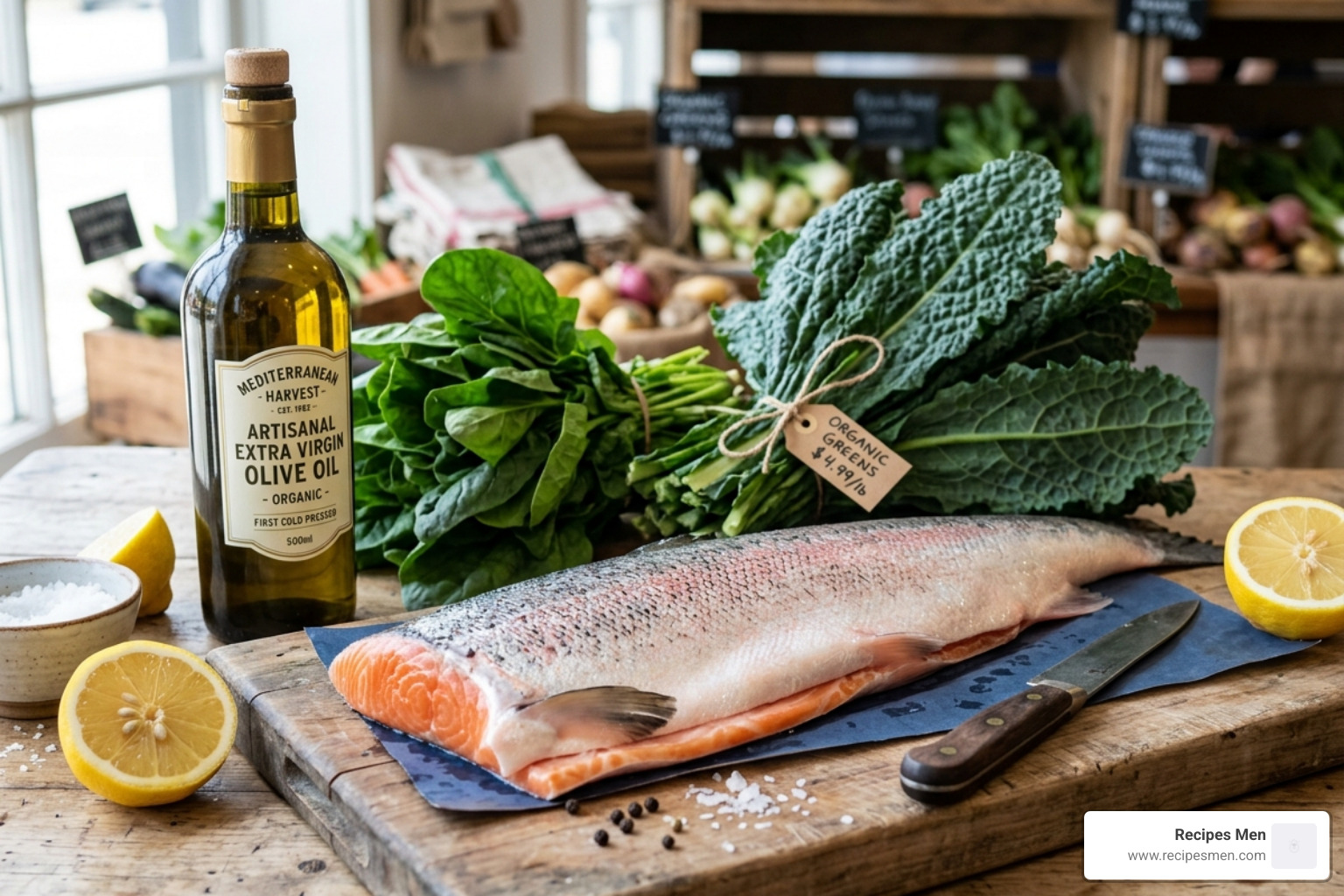
If there is a “gold standard” for a depression meal plan, it is the Mediterranean diet. It isn’t a restrictive “diet” in the traditional sense; it’s a pattern of eating that prioritizes whole foods.
The core principles involve eating plenty of vegetables, fruits, legumes, and whole grains, with olive oil as the primary fat source. It includes moderate amounts of fish and poultry and very little red meat or sweets. A pooled effect of longitudinal studies found a 33% risk reduction in the development of depression for those with the highest adherence to this style of eating.
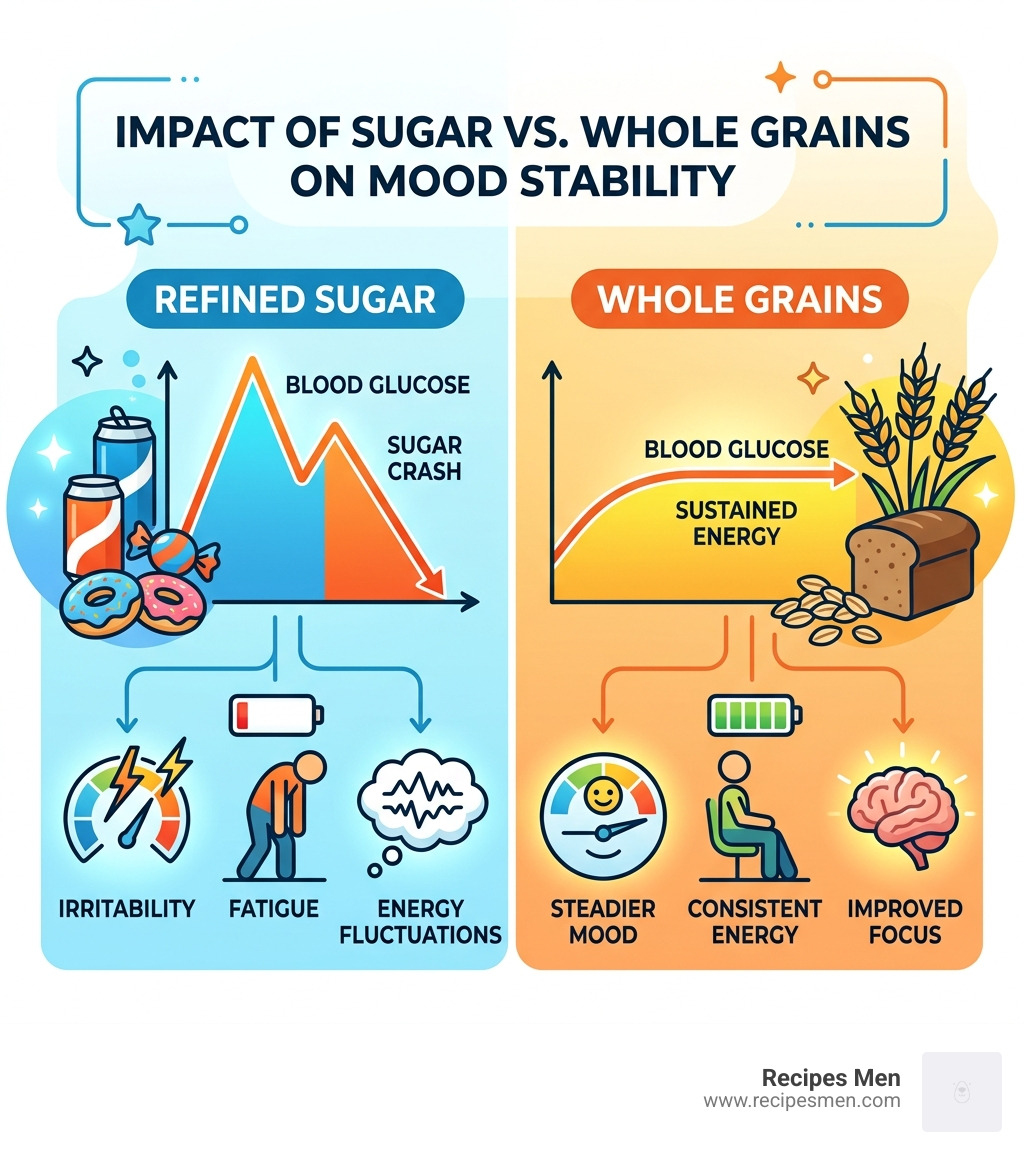
Integrating a 7-Day Anti-Inflammatory Meal Plan into your life helps stabilize blood sugar. When our blood sugar spikes and crashes (usually after eating sugary snacks), our mood follows suit, leading to irritability and fatigue.
Practical Strategies for Low-Energy Days
We know that when depression hits, even the idea of “chopping a salad” feels like a chore. That’s why a successful depression meal plan must be low-friction.
- Grocery Delivery is an Investment: If the thought of walking through a crowded supermarket is overwhelming, use a delivery service. It removes the barrier to getting healthy food into your house.
- The “No-Cook” Matrix: Always keep “assembly-only” meals on hand. A rotisserie chicken, a bag of pre-washed spinach, and a microwaveable pouch of brown rice is a complete, mood-supporting meal that requires zero actual cooking.
- Batch Cooking: On a day when you feel a 10% boost in energy, cook a large pot of lentil stew or a tray of roasted vegetables. Freeze individual portions for the days when your energy is at 0%.
- Hydration Matters: Even mild dehydration can impair concentration and worsen your mood. Aim for at least 8 cups of water daily. If plain water is boring, try herbal teas like chamomile to help with anxiety.
- Eat Every 3-4 Hours: Skipping meals leads to blood sugar drops that mimic the feelings of a depressive “crash.” Steady fuel equals steady mood.
Building Your Personalized depression meal plan
Your plan should be unique to you. If you hate kale, don’t eat it. If you love peanut butter, make it a staple. The goal is consistency, not perfection.
Start by assessing your current patterns. Do you skip breakfast and then binge on sugar at night? If so, focus on adding protein to your morning routine. A simple swap, like choosing whole-grain bread over white bread, provides the “smart carbs” your brain needs to produce serotonin without the insulin spike.
Keep your pantry stocked with essentials:
- Canned beans and lentils (rinse them to reduce sodium!)
- Canned tuna or sardines
- Nuts and nut butters
- Oats and quinoa
- Frozen fruits and vegetables (they are just as nutritious as fresh and won’t rot in your fridge if you have a bad week)
A Sample 7-Day Mood-Boosting Menu
This menu is designed with three levels of effort: Cook (for better days), Low-effort (for busy days), and No-cook (for the hardest days).
| Day | Breakfast | Lunch | Dinner | Snack |
|---|---|---|---|---|
| Mon | Overnight oats with chia & berries | Quinoa & chickpea salad | Baked salmon with broccoli | Walnuts & dark chocolate |
| Tue | Greek yogurt with flaxseed | Turkey & avocado wrap | Lentil soup (canned or batch) | Hard-boiled egg |
| Wed | Scrambled eggs with spinach | Leftover salmon bowl | Whole grain pasta with pesto | Apple with almond butter |
| Thu | Berry smoothie with protein | Tuna salad on greens | Rotisserie chicken & sweet potato | Hummus & carrots |
| Fri | Nut butter on whole-grain toast | Greek salad with sardines | Turkey chili (batch cooked) | Pumpkin seeds |
| Sat | Cheesy kale egg bake | Leftover chili | Baked cod with roasted roots | Greek yogurt |
| Sun | Oatmeal with walnuts & honey | Chicken & veggie pita | Omelet with frozen veggies | Dark chocolate |
Easy Recipes for Breakfast and Lunch
Overnight Oats (No-Cook): Mix 1/2 cup oats, 1/2 cup milk (or soy milk), 1 tbsp chia seeds, and a handful of frozen blueberries in a jar. Leave it in the fridge overnight. In the morning, you have a high-fiber, brain-fueling breakfast ready to go.
Turkey Sausage Patties (Low-effort): Mix 1/2 pound ground turkey with chopped spinach and rosemary. Form into patties and cook for 4-5 minutes per side. These provide the tryptophan and iron needed for energy.
The “NYC Bodega” Salmon Bowl (No-cook): Use a pouch of pre-cooked quinoa, a tin of wild-caught salmon, and a handful of pre-washed arugula. Drizzle with olive oil and lemon juice.
Simple Dinners and Mood-Supporting Snacks
Sheet-Pan Salmon: Place a salmon fillet and a pile of frozen asparagus on a baking sheet. Drizzle with olive oil, salt, and pepper. Bake at 375°F for 15-20 minutes. Minimal cleanup, maximum Omega-3s.
One-Pan Lentil Stew: Sauté some frozen onions, add a jar of marinara sauce, a can of rinsed lentils, and some vegetable broth. Simmer until hot. This is packed with fiber and folate.
Mood-Supporting Snacks:
- Dark Chocolate: Look for 70% cocoa or higher. It contains flavonoids that may boost perception and mood.
- Walnuts: These are the only nuts with a significant amount of alpha-linolenic acid (an Omega-3).
- Berry Pudding: Mix chia seeds into Greek yogurt and let it sit for 15 minutes. Top with berries for an antioxidant boost.

Foods to Avoid to Protect Your Mood
Just as some foods build us up, others can tear us down. Research shows that pro-inflammatory diets are associated with a 1.4 times higher risk of developing depression.
- Refined Sugar: Found in soda, candy, and many “low-fat” snacks. Sugar causes a rapid rise and fall in blood glucose, leading to “sugar crashes” that can trigger irritability and fatigue.
- Ultra-Processed Foods: These often contain trans fats and artificial additives that fuel gut inflammation.
- Alcohol: While it might feel like it helps you relax, alcohol is a central nervous system depressant. It disrupts sleep cycles and can lower serotonin levels over time.
- Excessive Caffeine: A little coffee is fine, but too much can increase anxiety and interfere with the sleep you need to recover from a depressive episode. Try to cap caffeine by noon.
Frequently Asked Questions about Eating for Depression
How quickly will I notice a difference in my mood?
Nutrition isn’t a fast-acting pill. While some people notice steadier energy within the first week, clinical trials like the SMILES study usually show the most significant results at the 8 to 12-week mark. Consistency is more important than being “perfect” for three days and then giving up.
Can I follow a depression meal plan on a budget?
Absolutely. In fact, some of the best foods for depression are the cheapest. Dried beans, lentils, oats, and frozen vegetables are budget superstars. Canned sardines and tuna are much more affordable than fresh fillets but offer the same Omega-3 benefits. Buying in bulk and focusing on seasonal produce can also keep costs down.
What are the best “no-cook” foods for bad days?
When life feels too heavy to even turn on the stove, reach for:
- Rotisserie Chicken: High protein, zero prep.
- Canned Beans: Just rinse and eat with a bit of olive oil.
- Greek Yogurt: No prep, high protein, and probiotics for the gut.
- Nut Butter: Eat it on whole-grain crackers or straight off the spoon.
- Pre-washed Salad Bags: Add a tin of fish or some chickpeas, and you have a meal.
Does eating with others help?
Yes. A study of over 14,000 adults showed that those who eat alone more often have a higher risk of depression. If you can, share a meal with a friend or family member. Even a virtual “dinner date” can reduce stress and promote mindful eating.
Conclusion
At Recipes Men, we believe that taking care of your mental health is just as important as hitting your macros or finishing a workout. A depression meal plan is an act of self-compassion. It is a way of telling yourself that you deserve to feel better, even when your brain is telling you otherwise.
You don’t have to do this alone. If your depression feels unmanageable, or if you are struggling with a complete loss of appetite, please consult a healthcare provider or a registered dietitian. They can help tailor a plan to your specific needs, especially if you are taking medications that might interact with certain foods.
Start small. Maybe tomorrow, you just focus on drinking more water. The day after, maybe you try the overnight oats. These small wins add up. You have the tools to nourish your way back to a lighter life.
Explore more healthy recipes and join our community as we break the stigma and cook our way to better mental health.

