
How to Eat Your Way to a Calmer Workout and Life
Understanding Cortisol and Your Stress Response
To master flavorful cortisol lowering meals, we first need to understand the “CEO” of our stress response: the adrenal glands. Sitting right on top of your kidneys, these small, walnut-shaped glands are responsible for pumping out cortisol whenever your brain perceives a threat. While we often vilify cortisol, it is actually essential for life; it helps regulate blood pressure, metabolism, and your body’s inflammatory response. The problem arises when the “on” switch gets stuck.
This is the classic “fight-or-flight” response. In the wild, this was an evolutionary masterpiece designed for outrunning a predator. In April 2026, however, your brain often reacts to a passive-aggressive email, a looming deadline, or a traffic jam with that same hormonal surge. This communication happens via the Hypothalamic-Pituitary-Adrenal (HPA) axis—a complex feedback loop between your brain and your adrenals. When the HPA axis is constantly stimulated, your body remains in a state of high alert, never getting the chance to enter the “rest and digest” phase.
Cortisol also follows a strict circadian rhythm. In a healthy individual, it should be highest about 30–45 minutes after you wake up (known as the Cortisol Awakening Response) to give you the energy to start the day, and lowest at midnight so you can achieve deep, restorative sleep. When this rhythm breaks due to chronic stress or poor dietary choices, you end up “tired but wired”—exhausted during the day but unable to shut your brain off at night.
According to the experts at 6 Foods That Reduce Cortisol and Ease Stress, According to Experts, chronically elevated levels aren’t just a mental burden; they manifest physically in ways that can derail your fitness goals. We’re talking about visceral fat (the stubborn belly fat that wraps around organs), muscle weakness, and even long-term issues like osteoporosis. By choosing the right foods, we can actually “talk down” our nervous system, providing the chemical signals needed to bring those levels back to a healthy baseline.
Essential Nutrients for Adrenal Health
If your adrenal glands were an engine, certain vitamins and minerals would be the high-grade oil that keeps them from seizing up under pressure. When we design flavorful cortisol lowering meals, we prioritize these five heavy hitters that have been scientifically shown to modulate the stress response:
- Magnesium: Often called the “relaxation mineral,” it regulates the HPA axis and calms the nervous system by blocking NMDA receptors in the brain. Chronic stress actually depletes your magnesium stores because the body uses it up to manage the stress response, creating a vicious cycle where you become more reactive to stress as your levels drop.
- Omega-3 Fatty Acids: Found in abundance in fatty fish and certain seeds, these healthy fats directly blunt the cortisol response to mental stress. They also reduce systemic inflammation, which is a major internal trigger for cortisol production.
- Vitamin C: The adrenal glands have one of the highest concentrations of Vitamin C in the body. It’s a key cofactor in the production of adrenal hormones and helps the body “clear” cortisol from the bloodstream more efficiently after a stressful event has passed.
- B-Complex Vitamins: Specifically B5 (pantothenic acid), B6, and B12 are essential for energy production and maintaining a healthy nervous system. B5 is often called the “anti-stress” vitamin because of its direct role in adrenal cortex function.
- Zinc: This mineral plays a major role in regulating how the brain and the HPA axis respond to stress. Low zinc levels have been linked to increased cortisol and higher rates of anxiety.
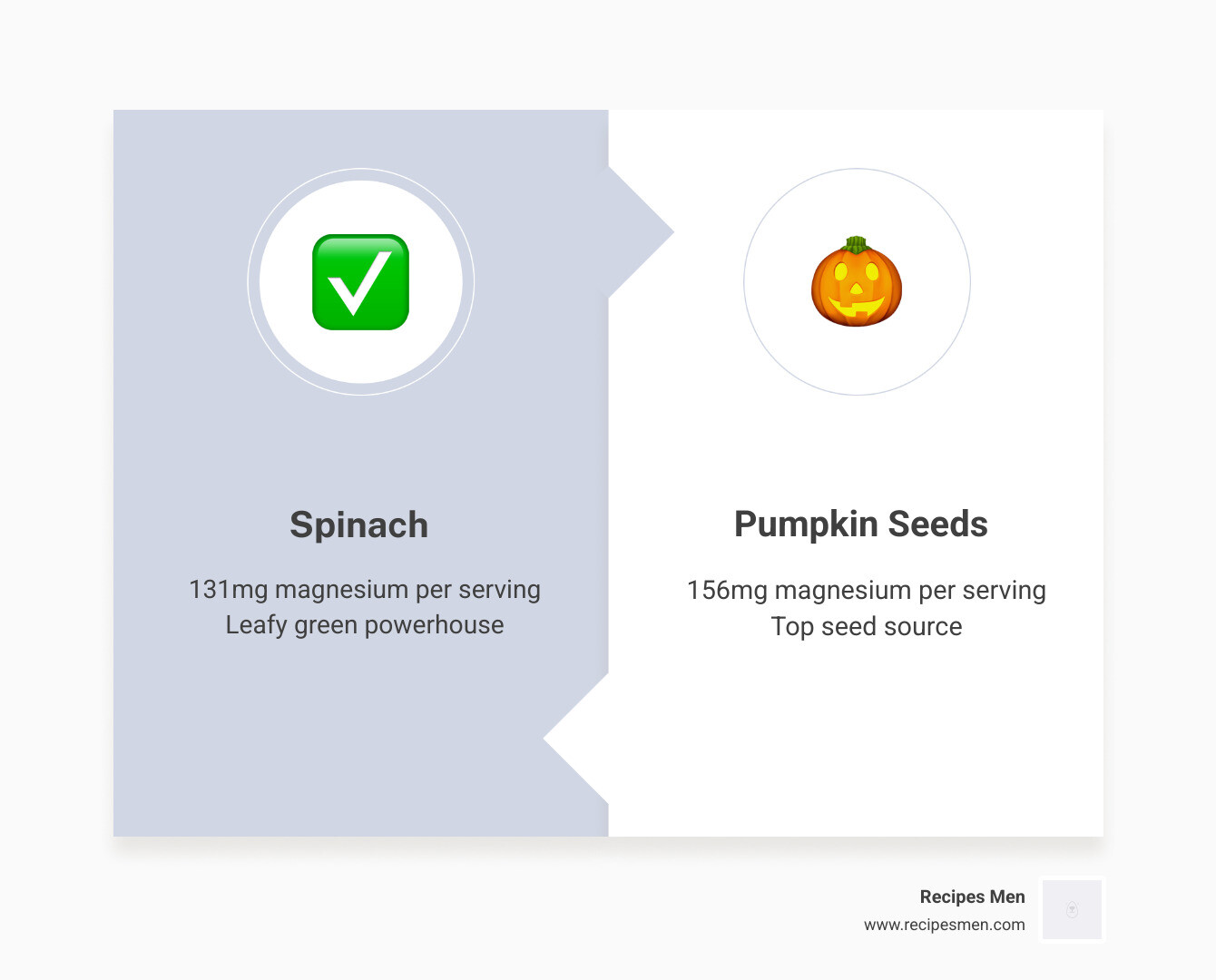
Research highlighted by 7 Foods That Lower Cortisol, According to Research – The Well Proven shows that nutrients like magnesium can produce measurable changes in cortisol levels within just a few weeks. By incorporating foods like pumpkin seeds, spinach, and citrus fruits into your daily routine, you provide your body with the raw materials it needs to stay resilient.
The Science of Flavorful Cortisol Lowering Meals
The secret to a cortisol-balancing diet isn’t just about eating a few “superfoods”—it’s about creating a state of predictable nourishment. Your body hates surprises, especially when it comes to energy availability. Erratic blood sugar is one of the biggest physiological triggers for cortisol spikes. When your blood sugar crashes (hypoglycemia), your body sees it as a life-threatening emergency and pumps out cortisol to mobilize stored glucose from the liver.
To prevent this metabolic roller coaster, we focus on four pillars:
- Blood Sugar Stability: Always pairing complex carbohydrates with protein and fiber to slow the absorption of glucose.
- The Protein-to-Carb Ratio: Ensuring every meal has a solid protein source (at least 20-30g) to promote satiety and slow digestion.
- Anti-Inflammatory Fats: Using avocado, extra virgin olive oil, and nuts to protect nerve cells and reduce the inflammatory load on the body.
- The Gut-Brain Axis: Nourishing the microbiome with probiotics (yogurt, kefir, kimchi) and prebiotics (garlic, onions, asparagus). A healthy gut produces neurotransmitters like GABA and serotonin, which send signals to the brain that it is safe to relax.

Breakfast: Flavorful Cortisol Lowering Meals to Start Your Day
Breakfast is the most important meal for setting your “cortisol trajectory” for the next 12 hours. If you grab a sugary pastry and a large black coffee, you’re essentially pouring gasoline on your morning cortisol peak, leading to a mid-morning crash and heightened anxiety.
Instead, we want a mix of high-quality protein and slow-digesting carbs. Overnight oats are a classic choice—oats contain beta-glucan fiber that stabilizes blood sugar, and you can stir in chia seeds for a boost of omega-3s. If you prefer a savory start, a tofu scramble with plenty of spinach is a magnesium powerhouse. One cup of cooked spinach gives you 131mg of magnesium, nearly a third of your daily requirement!
For the guys on the go, a protein-rich smoothie is unbeatable. Throw in a banana for 32mg of magnesium and tryptophan (the precursor to serotonin). If you’re an egg fan, you’re in luck. Eggs are rich in choline, which supports brain health and cognitive function, and healthy fats. Pair them with avocado toast on thick-cut whole-grain bread for a meal that signals “safety” to your nervous system.
Lunch: Mid-Day Fuel for Sustained Calm
Lunch is often where men fall into the trap of fast food or skipping the meal entirely, both of which spike cortisol. A flavorful cortisol lowering meal for lunch should focus on lean proteins and colorful vegetables. Consider a Mediterranean-style bowl with grilled chicken or chickpeas, quinoa, and a heavy serving of leafy greens.
Adding fermented foods like a side of kimchi or a dollop of Greek yogurt-based dressing can support the gut-brain axis during the most stressful part of the workday. Turkey is another excellent lunch choice because it is high in tryptophan, which helps the body produce the calming neurotransmitter serotonin. Combine it with some pumpkin seeds for an extra magnesium boost.
Dinner: Flavorful Cortisol Lowering Meals for Better Sleep
Dinner is your opportunity to lower the “cortisol tap” and prepare your body for deep sleep. We recommend focusing on fatty fish like salmon or mackerel. Clinical trials have shown that consuming 2.5g of Omega-3s daily can significantly reduce overall cortisol levels and improve the heart rate variability (HRV) response to stress.
Combine your protein with complex carbohydrates like sweet potatoes or brown rice. While low-carb diets are popular, your body actually needs some healthy carbs in the evening to support the transport of tryptophan into the brain for serotonin and melatonin production. Round out the plate with leafy greens and a pinch of turmeric. The curcumin in turmeric is a potent anti-inflammatory that helps the body recover from the day’s oxidative stress, ensuring you wake up feeling refreshed rather than depleted.
Foods and Drinks to Avoid for Stress Management
You can eat all the spinach and salmon in the world, but if you’re washing it down with the wrong substances, you’re fighting a losing battle against your own biology. To keep your cortisol in check and maintain a calm state of mind, be wary of these common culprits:
- Refined Sugar and High-Fructose Corn Syrup: These cause rapid insulin spikes followed by dramatic blood sugar crashes. These crashes are perceived by the brain as a metabolic crisis, triggering an immediate cortisol release to stabilize the system.
- Alcohol: While many use a beer or glass of wine to “unwind,” alcohol actually raises cortisol levels and severely disrupts your sleep architecture. It prevents you from reaching the deep REM stages of sleep where the brain processes emotional stress.
- Trans Fats and Ultra-Processed Snacks: Found in many packaged baked goods and fried foods, these fats drive systemic inflammation and oxidative stress, both of which keep the HPA axis in a state of chronic activation.
- Caffeine Timing: This is a critical habit for us at RecipesMen. Drinking coffee on an empty stomach immediately after waking amplifies your natural morning cortisol peak, leading to jitters and an afternoon “slump.” The Pro Tip: Wait 90 to 120 minutes after waking for your first cup. This allows your natural cortisol levels to begin their descent, and always ensure you have food in your stomach to buffer the caffeine’s impact on your adrenals.
Frequently Asked Questions about Cortisol and Diet
How long does it take to lower cortisol with diet?
You’ll start to feel subtle changes—like steadier energy levels, improved mood, and fewer “hanger” episodes—within 5 to 7 days of consistent eating. However, deeper hormonal rebalancing and significant drops in fasting morning cortisol typically take 4 to 8 weeks of consistency. As of April 2026, the latest nutritional science emphasizes that rhythm and consistency matter more than perfection. One “bad” meal won’t ruin your progress, but consistent, predictable nourishment will provide the foundation for long-term stress resilience.
Does dark chocolate really lower stress hormones?
Yes, it really does! But don’t reach for a sugary milk chocolate bar. Small clinical studies show that eating 25g of dark chocolate (70% cacao or higher) daily can significantly lower urinary cortisol and catecholamines (other stress hormones). The polyphenols and flavonoids in the cacao act as antioxidants that “talk down” the stress signals in your brain. Think of it as a medicinal treat—enjoy one or two squares as a mindful ritual at the end of the day, rather than a mindless snack while scrolling through your phone.
What is the best drink for lowering cortisol?
If you need a state of “calm focus,” green tea or matcha is the clear winner. They contain L-theanine, a unique amino acid that promotes alpha brain waves—the mental state of being relaxed but alert. Other great options include Tulsi (holy basil) tea, which is a powerful adaptogen that helps the body adapt to stress, or lemon balm tea, known for its mild sedative effects. For general hydration, watermelon or cucumber-infused water is fantastic because even mild dehydration is a physical stressor that can spike cortisol levels. Keeping your cells hydrated is the simplest way to keep your stress response quiet.
Conclusion
At RecipesMen, we believe that managing stress shouldn’t feel like another chore on your to-do list. By shifting toward predictable nourishment and incorporating these flavorful cortisol lowering meals, you’re giving your nervous system the “all-clear” signal it needs to thrive.
Whether it’s a salmon bowl for dinner or waiting 90 minutes for that first cup of joe, these small, tasty adjustments add up to a calmer, stronger, and more focused you. Ready to get cooking?
More flavorful recipes for men

