
Eat to Compete: Best Foods for Sore Muscle Recovery
The Best Foods for Sore Muscles (And Why They Work)
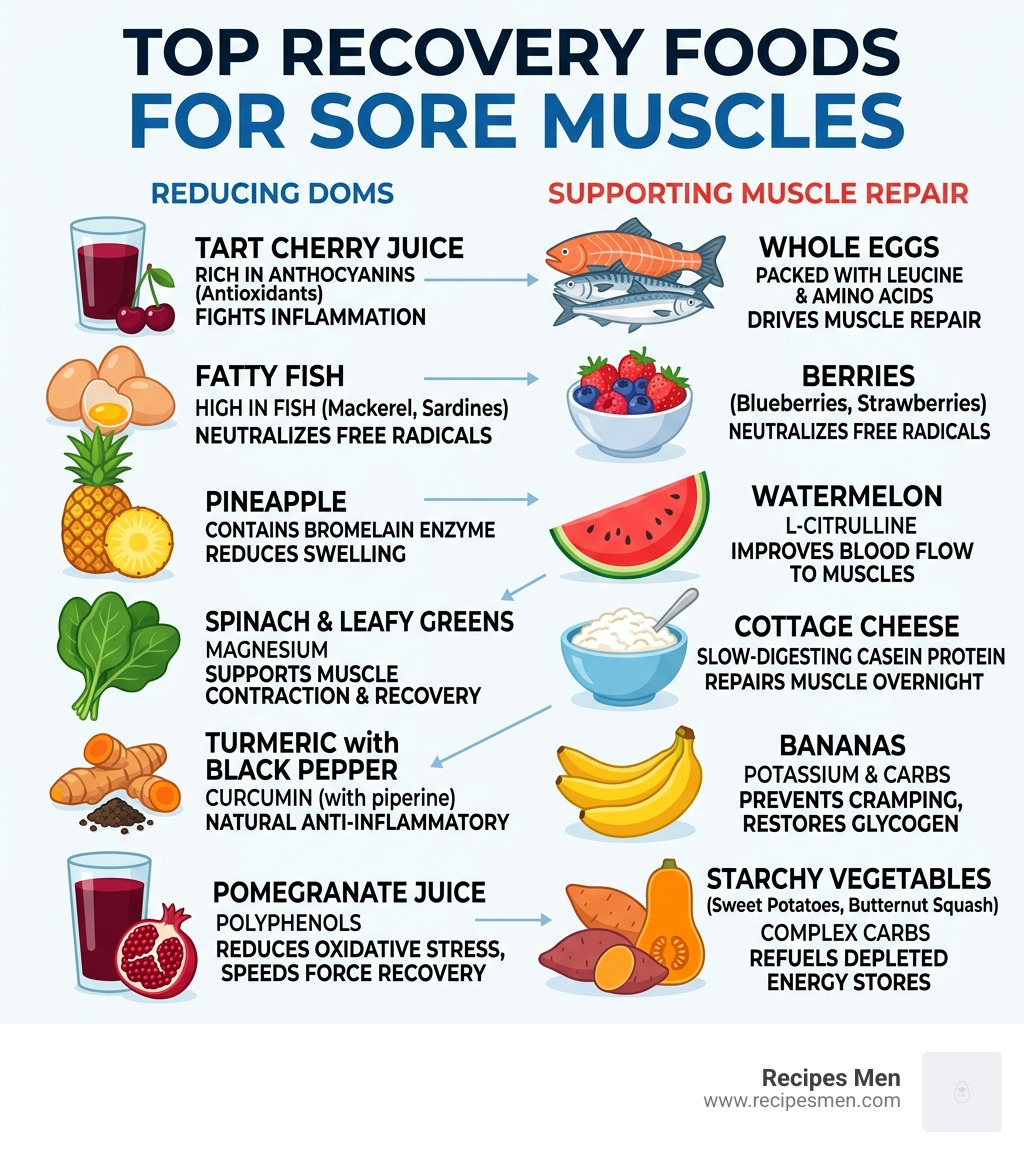
The best foods for sore muscles speed up recovery by reducing inflammation, repairing muscle tissue, and restoring energy stores. Here’s a quick reference:
Top 12 Best Foods for Sore Muscles:
- Tart cherry juice – rich in anthocyanins that fight inflammation
- Fatty fish (salmon, mackerel, sardines) – high in omega-3s that reduce DOMS
- Whole eggs – packed with leucine and amino acids for muscle repair
- Berries (blueberries, strawberries) – antioxidants that neutralize free radicals
- Pineapple – contains bromelain enzyme that reduces swelling
- Watermelon – L-citrulline improves blood flow to muscles
- Spinach and leafy greens – magnesium supports muscle contraction and recovery
- Cottage cheese – slow-digesting casein protein works overnight
- Turmeric with black pepper – curcumin is a natural anti-inflammatory
- Bananas – potassium and carbs prevent cramping and restore glycogen
- Pomegranate juice – polyphenols reduce oxidative stress and speed force recovery
- Starchy vegetables (sweet potatoes, butternut squash) – complex carbs refuel depleted energy stores
You push hard in the gym. Then the next morning hits — and so does that deep, achy stiffness that makes walking downstairs feel like a punishment.
That’s Delayed Onset Muscle Soreness (DOMS). It’s completely normal. When you exercise, especially during new or intense movements, you create tiny tears in your muscle fibers. Your body responds with inflammation as part of the repair process.
The problem? That inflammation can slow recovery down if you don’t support it with the right nutrition.
Here’s the good news: what you eat after training has a direct impact on how fast you bounce back. The right foods reduce inflammation, deliver the amino acids your muscles need to rebuild, and restore the energy your body burned through.
This guide breaks down the 12 best foods to eat when you’re sore — and exactly why they work.
Why Your Body Needs the Best Foods for Sore Muscles
When we talk about recovery in April 2026, we aren’t just talking about taking a day off. We’re talking about active physiological repair. To understand why we need the best foods for sore muscles, we have to look at what’s happening under the skin.
During a workout—especially one involving eccentric contractions (like the lowering phase of a bicep curl or running downhill)—you create microscopic tears in the muscle fibers. This damage triggers an inflammatory response. While some inflammation is necessary for growth, excessive inflammation leads to that familiar, painful DOMS that peaks 24 to 72 hours after exercise.
Research into Nutrition-Based Strategies to Reduce Exercise-Induced Muscle Damage and Soreness shows that exercise also creates oxidative stress and depletes our glycogen (stored carbohydrate) levels. Without high nutrient density in our post-workout meals, our bodies remain in a catabolic state—meaning we’re breaking down more than we’re building. By choosing specific foods, we can neutralize free radicals, shuttle protein to damaged tissues, and refill our “fuel tanks” faster.
Top 12 Best Foods for Sore Muscles and Faster Recovery
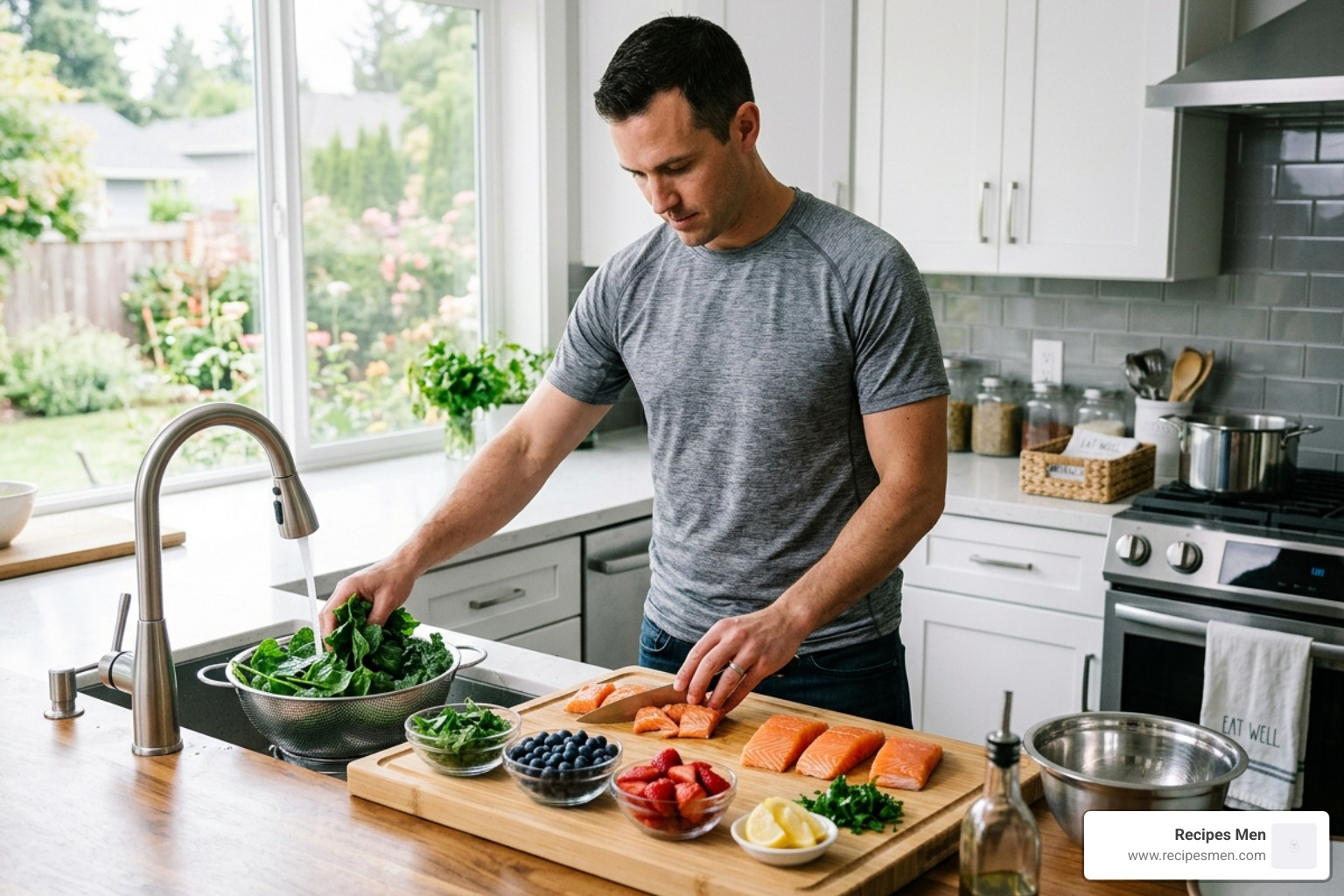
Achieving optimal muscle protein synthesis—the process of repairing and increasing muscle mass—requires more than just a generic protein shake. It requires a symphony of micronutrients, antioxidants, and healthy fats.
| Food Category | Primary Recovery Nutrient | Benefit for Soreness |
|---|---|---|
| Fatty Fish | Omega-3 Fatty Acids | Reduces systemic inflammation |
| Berries | Anthocyanins | Neutralizes oxidative stress |
| Leafy Greens | Magnesium | Prevents cramps and aids relaxation |
| Starchy Veggies | Complex Carbs | Replenishes muscle glycogen |
1. Tart Cherry Juice: Among the Best Foods for Sore Muscles
Tart cherry juice has become a staple for everyone from pro athletes to weekend warriors. It is packed with anthocyanins, which are potent phytochemicals that help fight oxidative damage. According to Muscle Recovery Foods and Drinks, drinking about 8 to 12 ounces of this juice after a strenuous session can significantly reduce muscle pain. As an added bonus, tart cherries contain natural melatonin, which helps improve sleep quality—the time when the most muscle repair actually happens.
2. Fatty Fish (Salmon, Mackerel, and Sardines)
Fatty fish are nutritional powerhouses for recovery. They provide high-quality, bioavailable protein and are the primary source of long-chain omega-3 fatty acids, specifically DHA and EPA. These fats work at a cellular level to dampen the inflammatory response and support joint health. In fact, studies show that men receiving daily DHA experience less muscle damage after exercise compared to those who don’t. A 4 oz serving of Atlantic mackerel can provide about 3g of these essential fats.
3. Whole Eggs
Forget the “egg whites only” trend. The nutrient-dense yolks contain essential vitamins, minerals, and healthy fats that support muscle remodeling. Eggs are particularly high in leucine, an amino acid that acts as a “trigger” for muscle protein synthesis. One egg provides roughly 500 mg of leucine; getting between 700 mg and 3,000 mg post-workout is ideal for growth. Recent 2022 studies found that consuming whole eggs post-exercise increased amino acid levels more effectively than whites alone.
4. Berries (Blueberries and Strawberries)
Berries are nature’s defense against metabolic waste. After a hard workout, your body is dealing with an influx of free radicals. The polyphenols and anthocyanins in blueberries help neutralize these molecules, speeding up the removal of waste products from the muscle tissue. One study involving women found that consuming blueberries significantly accelerated recovery from exercise-induced muscle damage.
5. Pineapple
Pineapple contains a unique enzyme called bromelain. This enzyme is known for its ability to reduce swelling and inhibit inflammatory agents in the body. Beyond just fighting soreness, bromelain aids in protein digestion, ensuring that the steak or chicken you ate for dinner is actually broken down and delivered to your muscle tissues for repair.
6. Watermelon
Staying hydrated is half the battle, but watermelon takes it a step further. It contains L-citrulline, an amino acid that the body converts into nitric oxide. This process improves blood flow and muscle oxygenation, helping to “flush” the muscles. Drinking watermelon juice or eating the fruit fresh has been shown to reduce heart rate recovery time and muscle soreness 24 hours post-workout.
7. Spinach and Leafy Greens
Popeye was onto something. Spinach is one of the best foods for sore muscles because it is a top source of magnesium. This mineral is crucial for muscle contraction and relaxation; a deficiency often leads to painful cramping. Spinach also contains ecdysterone, a plant compound that has shown steroid-like effects in supporting muscle mass and strength gains without the hormonal side effects.
8. Cottage Cheese
If you work out in the evening, cottage cheese is your best friend. It is loaded with casein protein, a “slow-release” protein that provides a steady stream of nitrogen and amino acids to your muscles while you sleep. It also contains glutamine, an amino acid that can be depleted during intense training. A cup of cottage cheese provides about 24 grams of protein, making it an elite bedtime snack for recovery.
9. Turmeric and Black Pepper
Turmeric’s active compound, curcumin, is a world-class natural anti-inflammatory. It has been found in some trials to be as effective as ibuprofen for managing joint pain. However, curcumin is poorly absorbed on its own. Pairing it with black pepper (which contains piperine) increases its absorption by up to 2,000%. Adding this duo to your post-workout meal can significantly take the edge off DOMS.
10. Bananas
Bananas are the ultimate portable recovery food. They provide quick-digesting carbohydrates to replenish glycogen stores and are famous for their potassium content. Potassium is a key electrolyte that helps regulate nerve signals and muscle contractions. When your electrolytes are out of balance, you’re much more prone to the “tight” feeling associated with muscle soreness.
11. Pomegranate Juice
Pomegranates are even higher in antioxidant capacity than red wine or green tea. Research mentioned in Best Foods for Soreness and Muscle Recovery suggests that pomegranate juice can help athletes recover muscle force faster after a heavy lifting session. The high levels of quercetin and other polyphenols protect the muscles from the “secondary damage” that often occurs hours after the workout ends.
12. Starchy Vegetables (Sweet Potatoes and Butternut Squash)
Don’t fear the carbs! After an intense workout, your muscle glycogen is depleted. Starchy vegetables like sweet potatoes provide complex carbohydrates that trigger a controlled insulin spike. This insulin acts as a “shuttle,” driving amino acids and glucose directly into the muscle cells where they are needed most. They are essential for energy restoration and preventing the “heavy leg” feeling the next day.
Post-Workout Nutrition: Timing, Ratios, and Gender Needs
Knowing what to eat is only part of the equation; when and how much matters just as much.
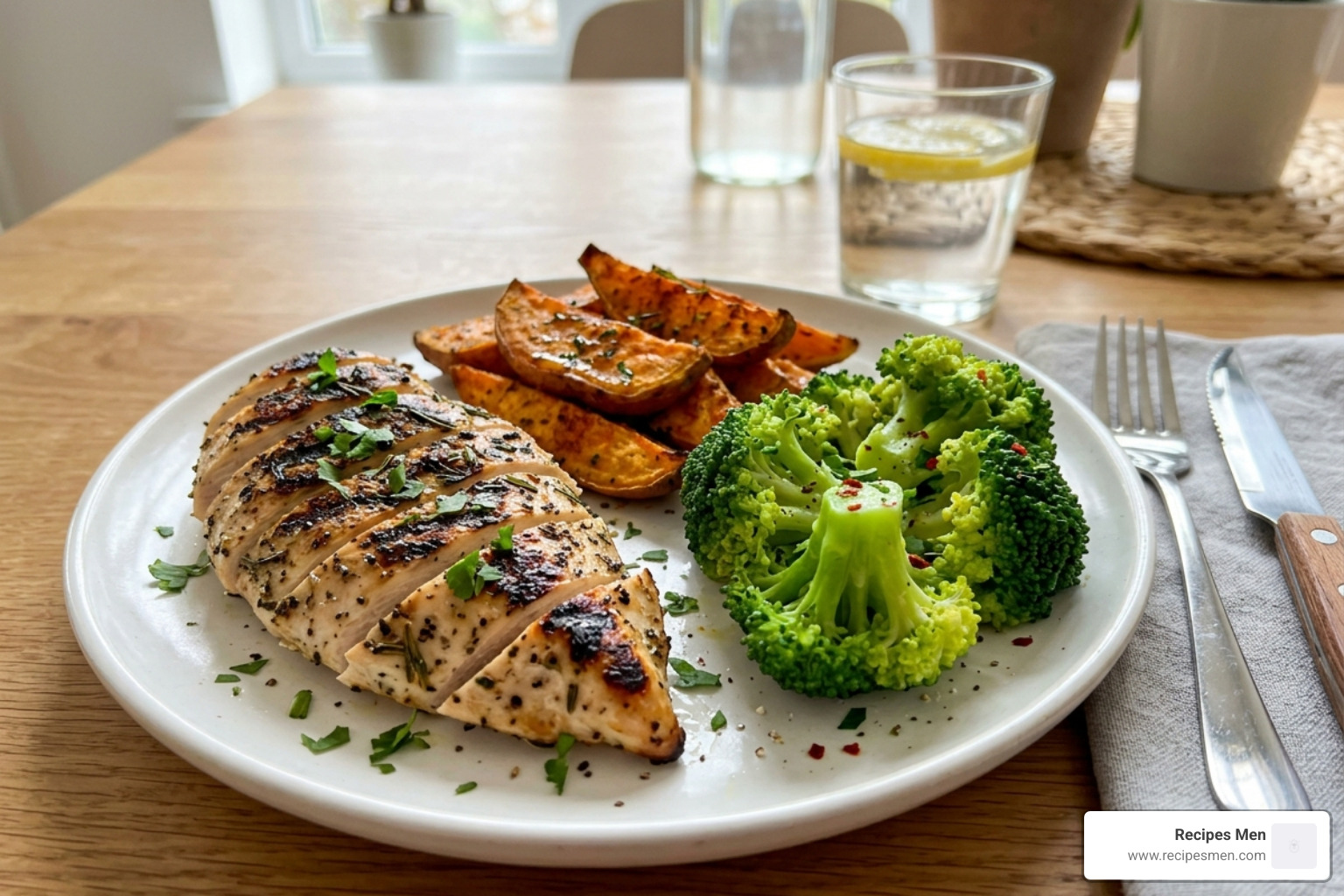
For optimal recovery, we recommend a 3:1 carb-to-protein ratio for most active individuals. This “nutritional dream team” ensures you have enough energy to stop muscle breakdown while providing the building blocks for repair. Most people should aim for 20-40 grams of high-quality protein within the post-workout window.
Gender-Specific Windows: Research suggests that the “anabolic window” might differ by gender.
- Females: Aim to refuel within 30 minutes of finishing a session.
- Males: The window is slightly longer, typically up to 60 minutes.
Beyond the immediate post-workout meal, “protein pacing” is key. Instead of eating all your protein at dinner, try to consume 0.4-0.5g of protein per kg of body weight every 3-4 hours. For an active person, a total daily intake of about 1 gram of protein per pound of body weight is an excellent baseline for recovery.
What to Avoid to Prevent Worsening Inflammation
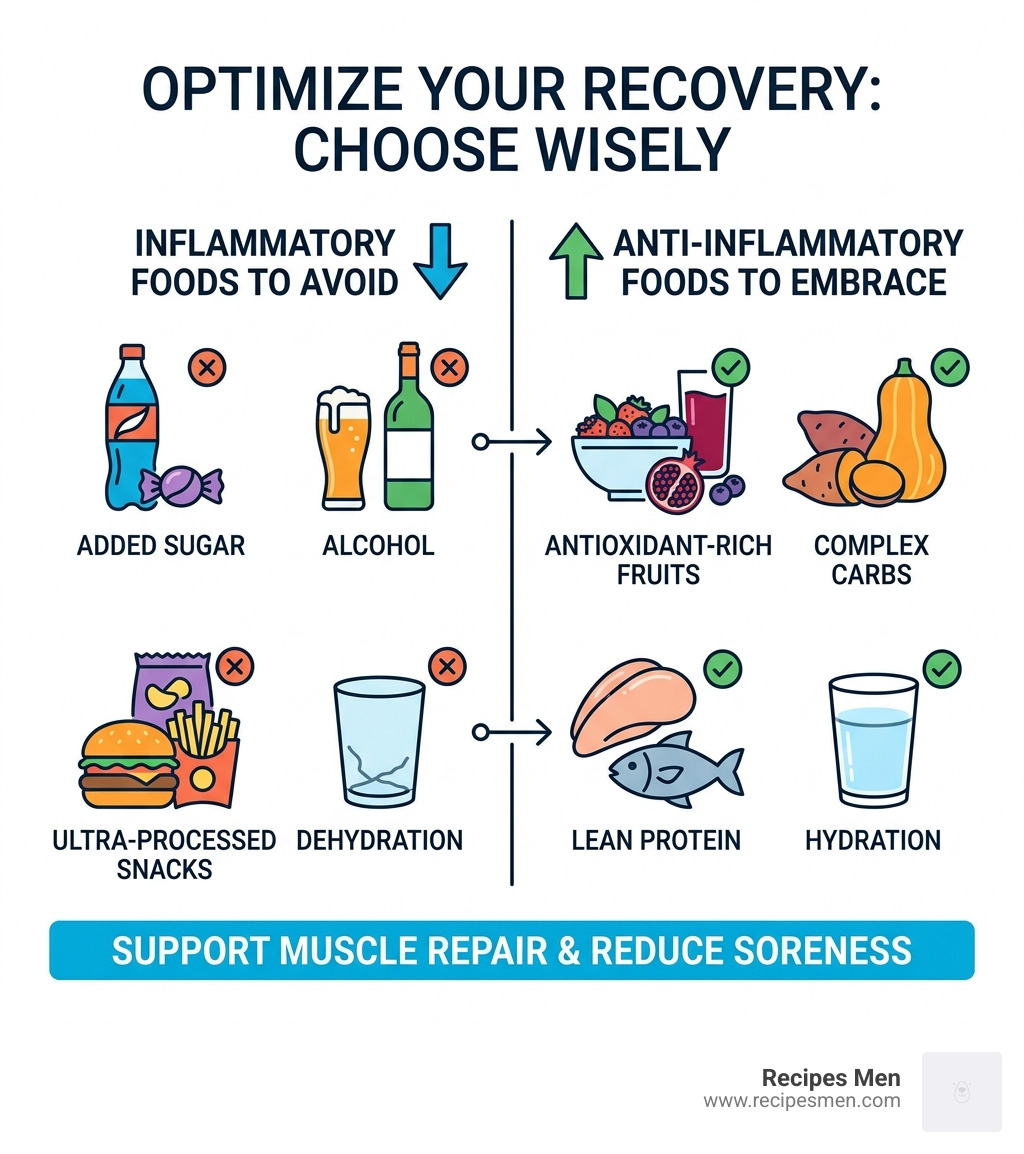
While focusing on the best foods for sore muscles, it’s equally important to know what can sabotage your progress. Some foods actually “fan the flames” of inflammation.
- Added Sugar: Sugar is the “big bad monster” of inflammation. High sugar intake can spike cortisol and increase systemic inflammation, making DOMS feel much worse.
- Alcohol: It might be tempting to grab a beer after a game, but alcohol impairs muscle protein synthesis and dehydrates the tissues, significantly slowing down the repair process.
- Ultra-Processed Snacks: Foods high in trans fats and omega-6 fatty acids (like fried fast food) can interfere with the anti-inflammatory benefits of omega-3s.
- Dehydration: If you aren’t drinking enough water, your body can’t efficiently transport nutrients to your muscles or flush out metabolic waste.
Frequently Asked Questions about Recovery
What are the best foods for sore muscles after high-intensity training?
For high-intensity training like HIIT or heavy lifting, you need a combination of fast-acting glycogen replenishment and muscle repair. Starchy carbs like sweet potatoes paired with a fast-digesting protein like whey protein are ideal. Don’t forget electrolyte-rich fruits like bananas or watermelon to replace what you lost through sweat.
Do supplements work as well as whole foods for DOMS?
While whole foods offer a synergy of nutrients (like the fiber in berries or the vitamins in egg yolks), some supplements are highly effective. Collagen peptides (10-12g daily) have been proven to help with joint soreness, and fish oil is great for those who don’t eat fish. However, whole foods generally have higher bioavailability and provide a more complete recovery response.
How does magnesium help with muscle soreness?
Magnesium plays a vital role in ATP (energy) production and muscle relaxation. When muscles are sore and “tight,” magnesium helps the fibers relax. Boosting your intake through spinach, pumpkin seeds, and almonds can reduce the frequency of cramps and the intensity of muscle aches.
Conclusion
At RecipesMen, we believe that recovery is where the “magic” happens. You don’t get stronger in the gym; you get stronger while you’re resting and refueling. By incorporating these best foods for sore muscles into your daily routine, you aren’t just easing pain—you’re optimizing your performance for the next session.
Balanced nutrition, consistent training, and prioritizing your mental health through good sleep are the pillars of a sustainable fitness lifestyle. If you’re looking for straightforward, flavorful ways to prep these recovery powerhouses, check out Recipes Men for recipes tailored to your goals.
Eat well, train hard, and give your muscles the fuel they deserve!

