
Start Burning Fat Today with Simple Keto Meal Plans
Why Keto Meal Planning Made Simple Is the Fastest Way to Start Burning Fat
Keto meal planning made simple comes down to a few core steps you can start today:
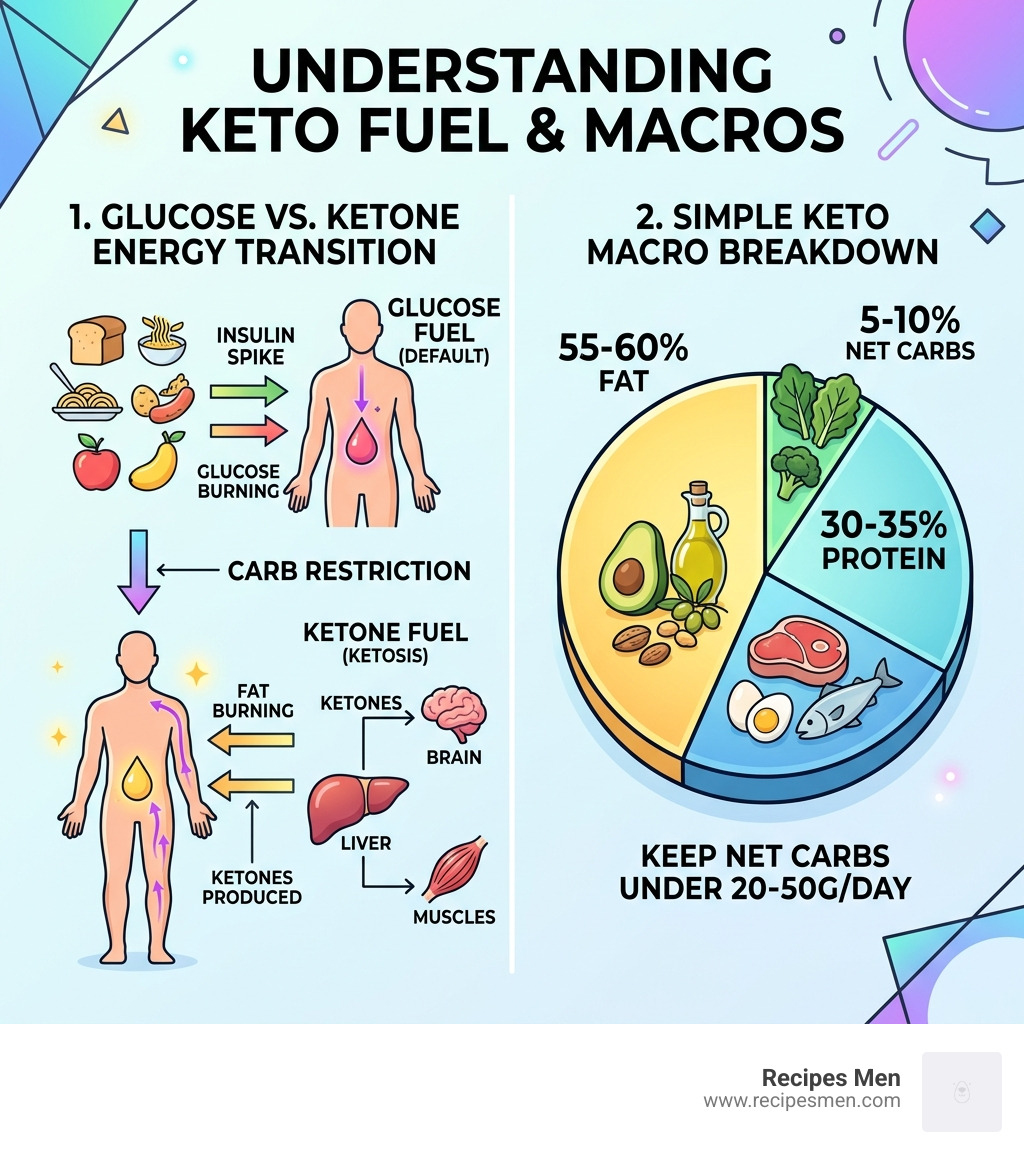
- Keep net carbs under 20-50g per day to push your body into fat-burning ketosis
- Build meals around protein, low-carb vegetables, and healthy fats
- Plan 3 breakfasts, 2 lunches, and 2 dinners for the week — then repeat
- Batch cook on the weekend so weeknight meals take minutes, not hours
- Track your macros loosely — roughly 55-60% fat, 30-35% protein, 5-10% carbs
Most guys don’t fail keto because of willpower. They fail because they show up hungry with nothing planned.
Here’s the truth: your body runs on glucose by default. When you cut carbs low enough, it switches to burning fat for fuel instead — a state called ketosis. That switch is powerful. It can mean steady energy, fewer cravings, and real fat loss.
But ketosis only happens consistently when your meals are planned in advance. Without a plan, you’ll grab whatever’s convenient — and convenient usually means carbs.
The good news? You don’t need a nutrition degree or hours in the kitchen. A 2020 review found the keto diet can support weight loss, lower blood pressure, and improve cholesterol levels. And the simplest version of keto — the kind that actually sticks — is built on a repeatable weekly system, not perfection.
This guide walks you through exactly that system.
Understanding the Basics of Keto Meal Planning Made Simple
To make a ketogenic lifestyle work, we first need to understand how our body processes fuel. Normally, you eat bread, pasta, or sugar, and your body turns it into glucose. Ketosis is the metabolic state where your body doesn’t have enough glucose for energy, so it burns fat and produces “ketones” instead.

The “magic number” for most of us is 50 grams of net carbs per day. If you stay under that, you stay in the fat-burning zone. Some people, especially those looking for faster results, aim for under 20 grams.
When we talk about keto meal planning made simple, we focus heavily on “net carbs.” This is the total carbohydrate count minus the dietary fiber. Since fiber isn’t digested for energy, it doesn’t kick you out of ketosis. For more on building a foundation, check out our guide on Keto Meal Planning 101: Build a Sustainable Weekly Plan for Real Life.
How to Calculate Your Personal Keto Macros
Macros (macronutrients) are the building blocks of your diet: fat, protein, and carbs. While every guy’s body is different, a standard keto breakdown looks like this:
- Fats (55% to 60%): This is your primary fuel source. It provides satiety so you don’t feel like you’re starving.
- Protein (30% to 35%): Essential for maintaining muscle. Aim for at least 60 grams of protein daily.
- Carbohydrates (5% to 10%): This is your “carb ceiling.”
We recommend starting your meals with protein. It ensures you hit your muscle-building goals and keeps you full longer. If you’re worried about balancing high protein with low carbs, read our tips on How To Eat Low Carb And High Protein Without Losing Your Mind.
Why Preparation is the Key to Keto Success
The biggest enemy of any diet is decision fatigue. By 6:00 PM on a Tuesday, your willpower is drained. If you haven’t planned your dinner, you’re much more likely to order a pizza.
Meal planning is the single most important factor in keto success. It reduces waste, saves money, and most importantly, keeps your blood sugar stable. When you eat high-fat, moderate-protein meals, your appetite is naturally suppressed, making it easier to skip the office donuts.
| Benefit | Keto Diet | Standard Diet |
|---|---|---|
| Primary Fuel | Fat / Ketones | Glucose / Sugar |
| Hunger Levels | Low (Satiating fats) | High (Blood sugar spikes) |
| Energy | Steady | Rollercoaster |
| Weight Loss | Targeted fat burning | Often muscle & water loss |
Building Your Simple Keto Grocery List and Plate
When you head to the store, we want you to focus on the perimeter. This is where the fresh, whole foods live. A successful keto meal planning made simple strategy relies on having the right “building blocks” in your kitchen at all times.
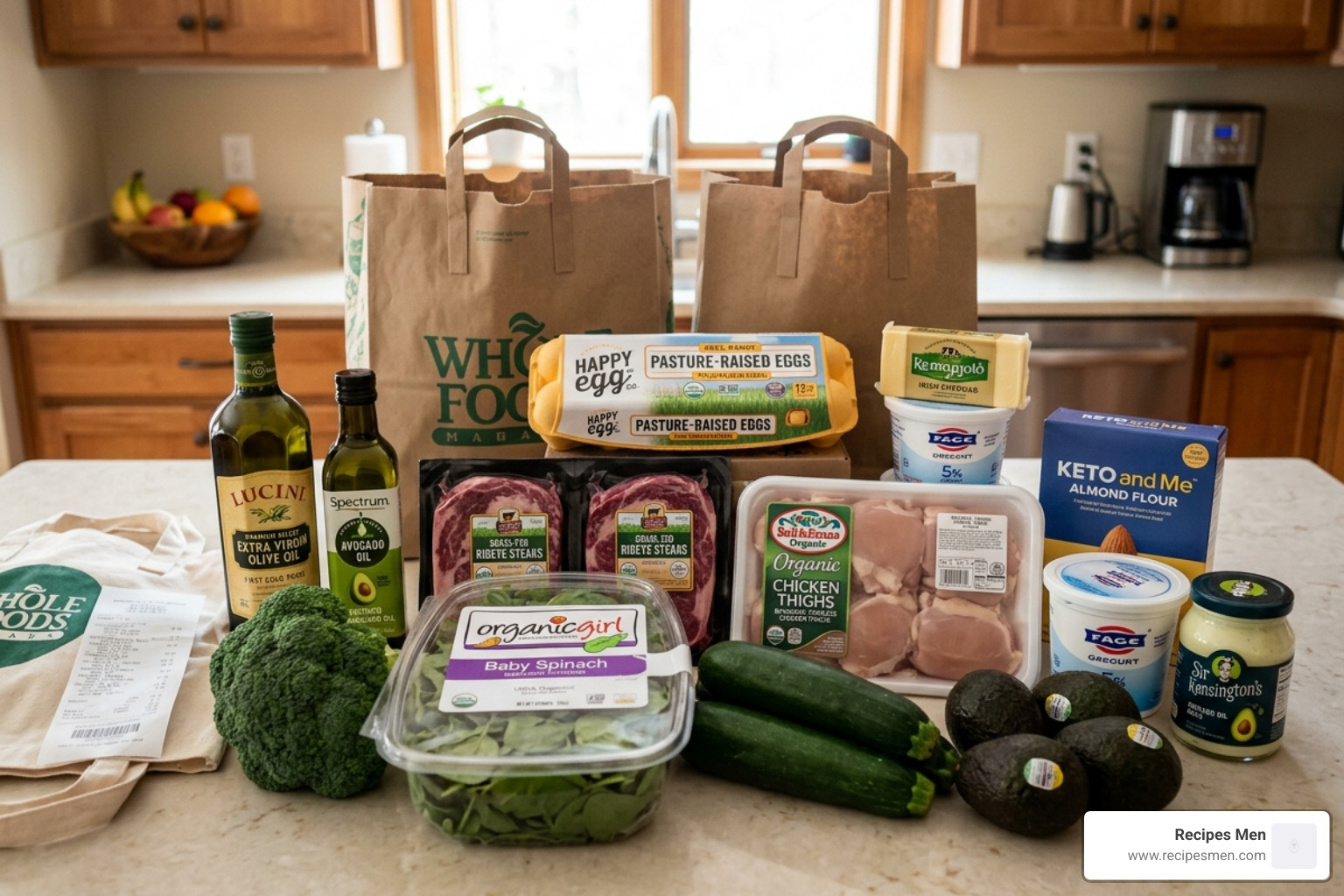
Your plate should ideally look like a “V” for victory: a big portion of non-starchy vegetables (like spinach, broccoli, or zucchini), a solid anchor of protein (beef, chicken, or fish), and a healthy dose of fats (olive oil, butter, or avocado). If you’re looking for meal ideas that fit a calorie-conscious approach, see Your Ultimate Guide To The Best Calorie Deficit Meals.
Keto Meal Planning Made Simple with the 3-2-2 Model
We love the 3-2-2 model because it prevents you from spending your entire Sunday in the kitchen.
- 3 Breakfasts: Choose three options and rotate them.
- 2 Lunches: Prep two big batches of protein and greens.
- 2 Dinners: Pick two main recipes and alternate them, using leftovers for the remaining nights.
This framework allows for “repeatable themes.” For example, Tuesday can always be “Taco Night” (using lettuce wraps instead of shells). For more easy swaps, check out Ditch The Bread With These Easy Low Carb Wrap Recipes.
Best Foods to Eat and Avoid for Ketosis
Eat Freely:
- Proteins: Grass-fed beef, poultry, eggs, and fatty fish like salmon.
- Fats: Avocado, coconut oil, grass-fed butter, and extra virgin olive oil.
- Vegetables: Leafy greens (kale, spinach), cauliflower, broccoli, and peppers.
- Berries: Small portions of raspberries, blackberries, and strawberries.
Avoid Strictly:
- Sugars: Soda, juice, candy, and most traditional desserts.
- Grains: Wheat, rice, oats, and corn.
- Starchy Tubers: Potatoes and yams.
- Hidden Sugars: Check labels on condiments like ketchup and BBQ sauce.
A Sample 7-Day Keto Meal Plan for Beginners
To show you how keto meal planning made simple works in the real world, here is a sample week. The goal is to cook once and eat twice whenever possible.
- Monday: Breakfast (Scrambled eggs with spinach and feta), Lunch (Leftover grilled chicken over mixed greens), Dinner (Garlic butter steak with roasted broccoli).
- Tuesday: Breakfast (Keto yogurt with a few raspberries), Lunch (Tuna salad in lettuce cups), Dinner (Taco bowls with seasoned beef, avocado, and salsa).
- Wednesday: Breakfast (Egg muffins with bacon), Lunch (Leftover taco bowl), Dinner (Baked salmon with asparagus).
- Thursday: Breakfast (Scrambled eggs), Lunch (Leftover salmon), Dinner (Chicken stir-fry with cauliflower rice).
- Friday: Breakfast (Egg muffins), Lunch (Chicken stir-fry leftovers), Dinner (Bunless burgers with a side salad).
- Saturday: Breakfast (Avocado and eggs), Lunch (Deli meat and cheese roll-ups), Dinner (Zucchini noodles with meatballs).
- Sunday: Breakfast (Keto pancakes), Lunch (Leftover meatballs), Dinner (Sheet-pan chicken and peppers).
For a more detailed version of this, visit The Easiest 7-Day Keto Meal Plan for Weight Loss.
Easy Keto Breakfast and Snack Ideas
Breakfast on keto doesn’t have to be a chore. If you’re in a rush, a “boosted” or bulletproof coffee (coffee blended with grass-fed butter or MCT oil) can provide energy and keep you full until lunch. Egg muffins are another great “grab-and-go” option—just bake a dozen on Sunday and you’re set for the week.
Snacking should be purposeful. If you’re truly hungry, reach for macadamia nuts, string cheese, or a hard-boiled egg. If you want to level up your morning routine, see How To Master The Art Of Keto Avocado Breakfasts.
Keto Meal Planning Made Simple for Vegetarians and Vegans
Yes, you can do keto without meat! It requires a bit more focus on plant-based fats.
- Protein: Use tofu, tempeh, and seitan.
- Fats: Lean heavily on avocado, nuts, seeds, and coconut milk.
- Flavor: Nutritional yeast is a keto vegan’s best friend, providing a cheesy flavor and B vitamins without the dairy.
- Nutrient Boost: Hemp seeds and chia seeds are excellent for adding healthy fats and fiber to smoothies or salads.
Overcoming Challenges and Staying Consistent
The first week of keto can be a bit of a hurdle. As your body switches from burning sugar to burning fat, you might experience the “keto flu”—symptoms like headaches, fatigue, and irritability.
This usually happens because you’re losing water and minerals. When insulin levels drop, your kidneys release sodium. To fight this, you must stay hydrated and replenish your electrolytes:
- Sodium: Don’t be afraid to salt your food.
- Magnesium: Found in pumpkin seeds and spinach.
- Potassium: Found in avocados and salmon.
Drinking a cup of bone broth or adding an electrolyte powder to your water can make a world of difference. For a deeper dive into managing these early days, see our Keto Meal Planner – Your Guide to Success.
Tracking Progress and Avoiding Beginner Mistakes
One of the biggest mistakes we see is ignoring “hidden carbs.” Many sauces, “low-fat” yogurts, and even some spices contain sugar or cornstarch. Always read the labels.
Another tip: listen to your satiety cues. On a high-fat diet, you might find you aren’t hungry for three meals a day. That’s okay! Many people naturally transition into intermittent fasting (like the 16:8 method) because they simply aren’t hungry in the morning.
If you hit a weight plateau, don’t panic. It’s often just your body adjusting. Re-check your portions, ensure you aren’t overdoing the “keto desserts,” and keep your movement consistent.
Frequently Asked Questions about Keto Meal Planning
How do I reach ketosis quickly?
The fastest way to reach ketosis is to keep your net carbs strictly under 20 grams, stay active, and ensure you’re eating enough healthy fats. Some people also use short-term fasting to deplete their glucose stores faster.
Can I eat fruit on a keto diet?
Most fruits are too high in sugar for keto. However, berries (blackberries, raspberries, and strawberries) are lower in sugar and high in fiber. Keep your portion to about a half-cup per day.
Is keto meal planning expensive?
It doesn’t have to be. Buy meat in bulk (family packs) and freeze what you don’t use. Frozen vegetables are just as nutritious as fresh and often much cheaper. Stick to seasonal proteins and don’t feel like you need expensive “keto-branded” snacks to succeed.
Conclusion
At Recipes Men, we believe that keto meal planning made simple is the key to a healthier, more energetic version of yourself. It isn’t about being perfect; it’s about being prepared. By focusing on whole foods, protein-first plates, and a repeatable weekly system, you can turn fat-burning into a lifestyle rather than a temporary chore.
Sustainability is the goal. If you have a bad day and eat a slice of bread, don’t throw in the towel. Just make your next meal a keto one. Long-term adherence is what creates real change.
Ready to start cooking? Start your journey with our simple recipes and take the guesswork out of your nutrition today.

