
The Best Products and Ways to Keep Mentally Healthy
Why Mental Health Is the Foundation of a Good Life
The best ways to keep mentally healthy combine daily habits, physical activity, good nutrition, quality sleep, and strong social connections. Here’s a quick overview:
- Move your body – Aim for 20-30 minutes of activity daily
- Sleep 7-8 hours – Sleep is when your brain consolidates memories and resets
- Eat well and stay hydrated – Nutrients directly affect your mood and focus
- Practice mindfulness – Deep breathing, meditation, or journaling reduce stress
- Stay connected – Strong relationships protect your mental well-being
- Limit alcohol – No more than 2 drinks per day for men
- Keep learning – Puzzles, reading, and new skills sharpen your mind
- Seek help when needed – If symptoms last 2+ weeks, talk to a professional
Mental health isn’t just the absence of illness. It covers your emotional, psychological, and social well-being — and it shapes how you think, handle stress, and connect with the people around you.
For a busy guy juggling work, fitness goals, and daily stress, mental health can feel like one more thing on a long to-do list. But here’s the truth: small, consistent habits make a massive difference.
You don’t need a therapist on speed dial or two hours of meditation every morning. You just need a few practical tools and routines that actually fit your life.
This guide covers the best products and evidence-backed strategies to help you stay mentally sharp, emotionally balanced, and resilient — without overhauling your entire lifestyle.
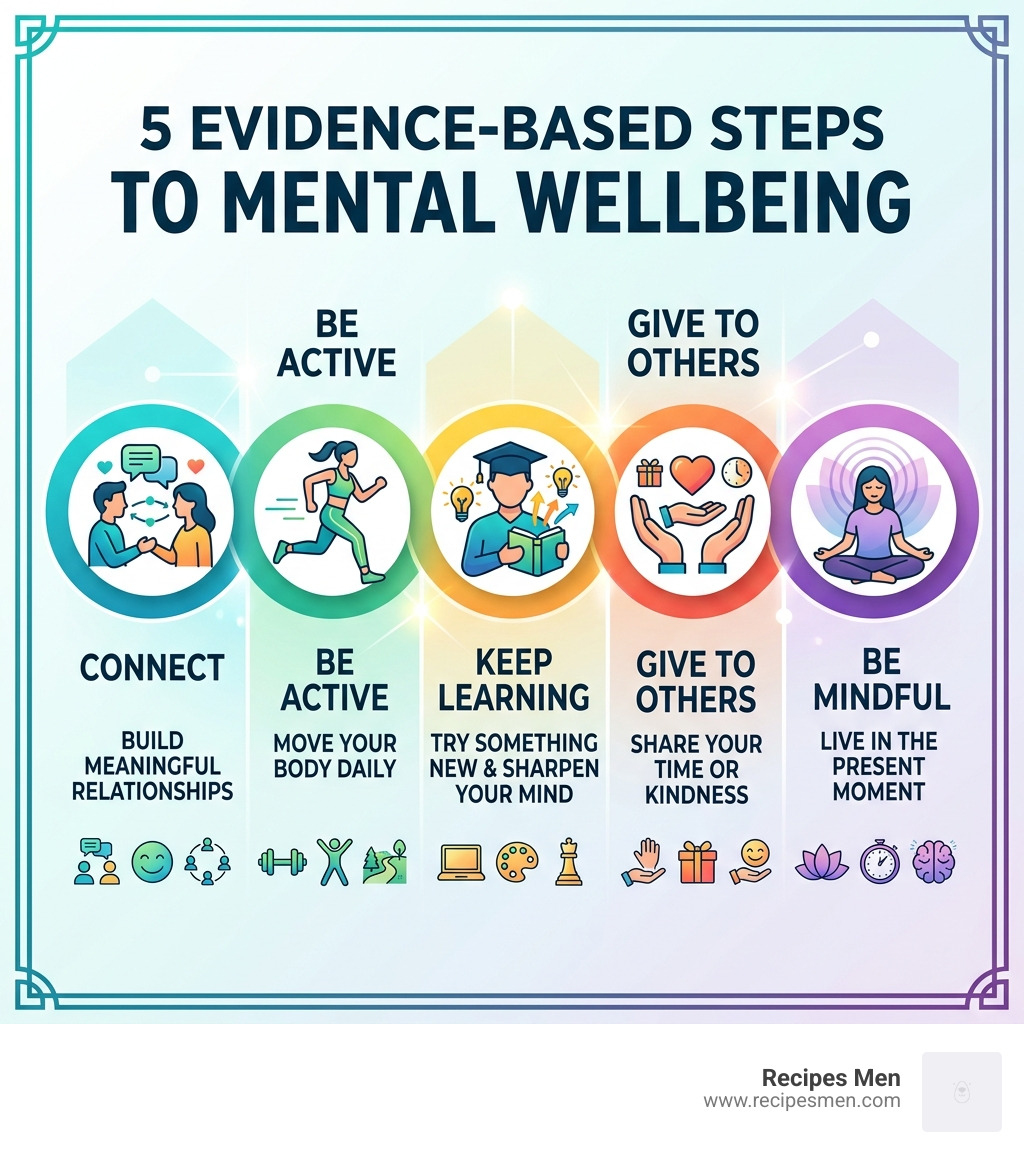
Daily Self-Care and Ways to Keep Mentally Healthy

When we talk about self-care, we aren’t talking about spa days. For us at Recipes Men, self-care is about the strategic maintenance of your internal engine. It’s the daily habits that keep you from redlining. Research from the National Institute of Mental Health (NIMH) suggests that Caring for Your Mental Health is a personalized journey that requires a bit of trial and error to see what sticks.
One of the most effective ways to keep mentally healthy is to establish a morning routine that includes goal setting. Instead of waking up and immediately checking emails (which triggers an instant stress response), try spending five minutes outlining your priorities for the day. This simple act of “saying no” to non-essential tasks helps you set boundaries and prevents the feeling of being overwhelmed.
Physical activity is another pillar. You don’t need a two-hour gym session to see results. Just 30 minutes of walking every day can significantly boost your mood and energy levels. If you’re a busy guy, think of this as a “brain reset.” It’s during these low-intensity movements that our minds often solve the problems we’ve been chewing on all day.
Mindfulness and Relaxation Tools for Anxiety
Anxiety often feels like your brain has too many tabs open at once. To close those tabs, we recommend utilizing relaxation techniques that trigger the body’s natural relaxation response. According to MedlinePlus, techniques like deep breathing, progressive muscle relaxation, and guided imagery are scientifically proven to lower stress hormones.
If you’re new to this, meditation apps are a great product to start with. They provide a quiet space and a focus point—usually your breath—to help you practice a non-judgmental attitude toward your thoughts. Biofeedback is another high-tech option that helps you learn to control bodily functions, like your heart rate, to manage stress. If you aren’t sure where you stand, using a stress screener can help you identify just how much pressure you’re under before it becomes chronic.
Digital Products for Tracking Ways to Keep Mentally Healthy
In April 2026, we have more tools than ever to quantify our well-being. Mood tracking apps allow you to see patterns in your emotional health, helping you identify triggers you might have missed. Similarly, digital planners and habit trackers ensure that your self-care isn’t left to chance.
Scientific research on self-care impact shows that being specific with your gratitude practice—actually writing down three specific things you’re thankful for—can rewire your brain for positivity. A gratitude journal (digital or physical) is a low-cost, high-reward product for anyone looking to improve their outlook.
Physical Foundations: Exercise, Sleep, and Brain Health

The connection between the body and the mind is unbreakable. If your body is sluggish, your mind will be too. The CDC recommends building up to at least 2.5 hours of physical activity per week—roughly 20 to 30 minutes a day. This isn’t just about looking good in a t-shirt; it’s about the neurochemical changes, like the release of endorphins, that happen when you move.
Interestingly, regular physical activity may be particularly advantageous for those with the APOE4 gene variant, which is linked to a higher risk of Alzheimer’s. By staying active, you aren’t just managing today’s stress; you’re protecting your future self.
Quality Sleep Products and Routines
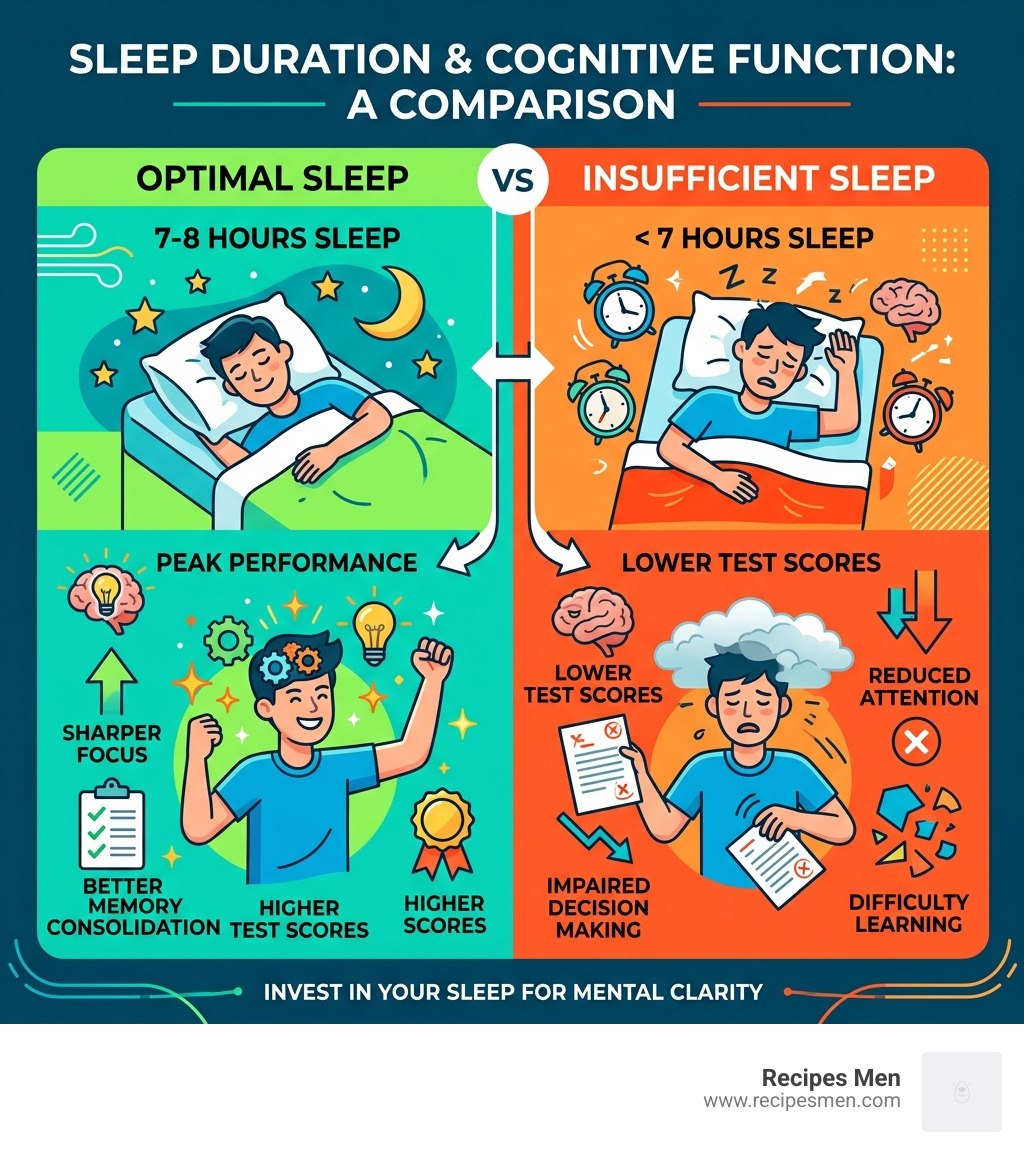
If you’re sacrificing sleep to get more work done, you’re actually making yourself less efficient. Research shows that people who regularly sleep less than 7-8 hours per night score lower on tests of mental function. This is because your brain needs that time to consolidate memories and process the day’s learning.
To improve your sleep hygiene, consider products like blue light filters for your devices and sleep masks to ensure total darkness. Research on sleep and mental function emphasizes the importance of a consistent schedule—going to bed and waking up at the same time every day, even on weekends. Limit your caffeine intake to the morning hours and create an evening wind-down routine that signals to your brain it’s time to shut off.
Preventing Cognitive Decline Through Stimulation
Your brain is like a muscle: use it or lose it. Mentally intact people in their 70s and 80s who engage in mentally stimulating activities—like reading, puzzles, or learning a new skill—are half as likely to develop mild cognitive impairment.
This “cognitive reserve” is built over a lifetime. Whether it’s playing a complex strategy game, fixing a broken bike, or learning a new language, these activities strengthen neural networks. Social engagement also plays a role here; staying curious and involved in your community keeps your mental sharpness at its peak.
Nutrition and Social Connection for Emotional Balance
What you put on your plate dictates how you feel. At Recipes Men, we’re big fans of the Mediterranean diet. It’s not just about the flavor; it’s about the brain-boosting benefits of fruits, vegetables, whole grains, and healthy fats like olive oil and fish.
Nutrition and mental health are deeply linked. For example, a deficiency in Vitamin B12 has been associated with depression. Hydration is equally critical—even mild dehydration can impact your concentration and mood. We also need to talk about alcohol. While a drink might feel like it “takes the edge off,” regular consumption of more than moderate amounts (7 drinks a week for women, 14 for men) is linked to a 22% higher risk of Alzheimer’s.
Nutritional Strategies as Ways to Keep Mentally Healthy
One of the best ways to keep mentally healthy is to find “food freedom.” This means moving away from restrictive diet culture and toward intuitive eating. When you label foods as “good” or “bad,” you create a cycle of guilt and bingeing that is exhausting for your mental health.
According to the NIMH, Caring for Your Mental Health includes maintaining steady energy levels throughout the day. We recommend starting with a protein-rich breakfast to stabilize your blood sugar. Use meal prep tools to ensure you have nutrient-dense snacks available, which helps you manage binge-triggers when you’re stressed or tired.
Building Stronger Social Relationships
We are social animals. Good relationships build a sense of belonging and self-worth. In a world of digital connections, face-to-face interaction remains the gold standard for emotional support. Whether it’s arranging a fixed time for a family dinner or having lunch with a colleague, these shared experiences are vital.
Volunteering or joining community groups can also provide a sense of purpose. However, be mindful of your digital wellness. If your social media feed is filled with “perfect” lives that make you feel inadequate, use the “unfollow” button. Focus on connection rather than comparison.
When to Seek Professional Support
Self-care is powerful, but it isn’t a substitute for professional medical advice. You should seek help if you experience severe symptoms that last for two weeks or more. These signs include:
- Difficulty sleeping or sleeping too much
- Significant changes in appetite or weight
- Loss of interest in things you used to enjoy
- Persistent irritability or anger
- Trouble concentrating to the point it affects your work
The NIMH provides excellent resources on Caring for Your Mental Health and how to find a provider. If you or someone you know is in immediate distress, the 988 Suicide & Crisis Lifeline is available 24/7. Talk therapy and primary care referrals are the first steps toward recovery. Seeking help is a sign of strength and self-awareness, not weakness.
Frequently Asked Questions about Mental Wellness
What are the common signs of chronic stress?
Chronic stress manifests both emotionally and physically. You might feel persistent fear, anger, or sadness. Physically, it can lead to unexplained pains, headaches, or the worsening of existing chronic conditions. You might also notice you’re having trouble concentrating or find yourself reaching for alcohol or tobacco more often than usual.
How can busy individuals integrate mental health practices?
The key is integration, not addition. If you can’t find time for a 30-minute walk, take the stairs or walk laps while on a phone call. Use meal delivery services to save time on prep while still eating healthy. Even a 5-minute meditation session before bed or tracking your hydration with a marked water jug can make a difference. Always prioritize a protein-rich morning meal to set your metabolism and mood for the day.
Does alcohol consumption affect long-term brain health?
Yes. While moderate consumption (up to 2 drinks a day for men) is generally considered acceptable, exceeding these limits can lead to cognitive decline and disrupted sleep patterns. Alcohol is a depressant; while it may help you fall asleep faster, it ruins the quality of your sleep, preventing your brain from performing essential memory consolidation.
Conclusion
At Recipes Men, we believe that a healthy life is a balanced one. By combining simple nutrition, an active lifestyle, and sustainable mental health habits, you can build a foundation that supports your goals and your well-being. Mental health isn’t a destination; it’s a lifelong journey of small, daily choices.
Ready to take the next step in your wellness journey? Explore healthy recipes for better mental well-being and find the fuel your brain needs to thrive.

