
Why Post Gym Protein Lunches Make or Break Your Results
Post gym protein lunches are one of the most powerful tools you have for muscle recovery, fat loss, and staying consistent with your fitness goals.
Here are some quick top picks to get you started:
| Meal | Protein | Prep Time |
|---|---|---|
| Grilled chicken & quinoa bowl | ~40g | 20 min |
| High-protein chicken burrito bowl | ~45g | 25 min |
| White bean chicken salad | ~35g | 15 min |
| Tuna salad on whole grain bread | ~30g | 10 min |
| Chickpea, edamame & chicken salad | ~42g | 15 min |
You just crushed a workout. Your muscles are depleted, your glycogen stores are low, and your body is literally waiting for fuel.
What you eat in the next couple of hours matters more than most people realize.
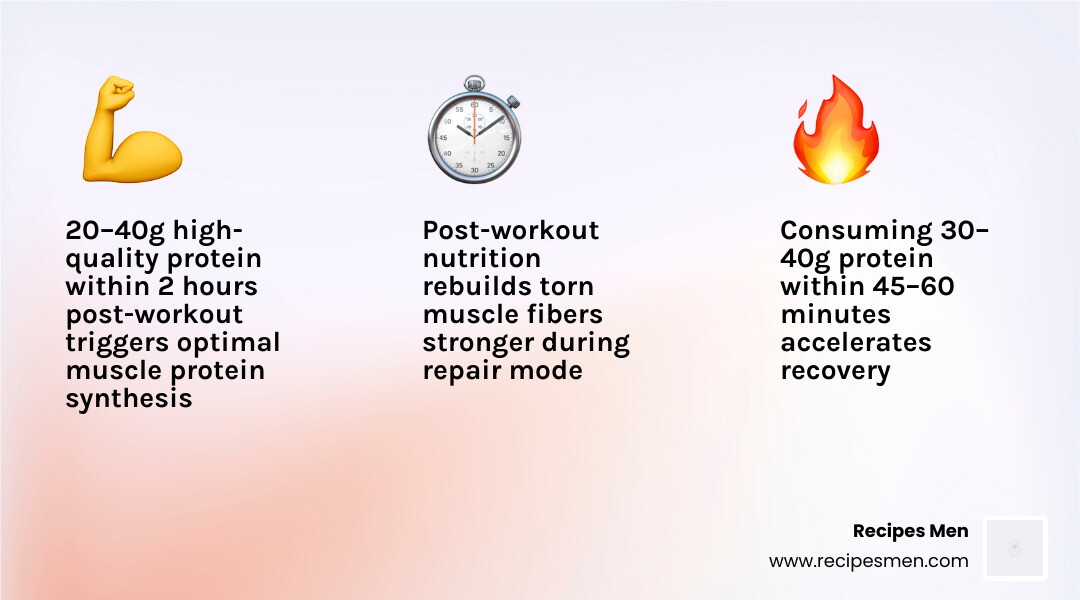
During exercise, your muscles burn through stored glycogen and experience tiny tears in muscle fiber. After training, your body shifts into repair mode — rebuilding those fibers stronger than before. But only if you give it the right building blocks.
According to the International Society of Sports Nutrition (ISSN), eating 20–40g of high-quality protein within the first two hours after training is the key trigger for muscle protein synthesis. Research also shows that athletes recover significantly faster when they hit 30–40g of protein within 45–60 minutes after their session.
The good news? You don’t need complicated meal plans or hours in the kitchen. The lunches in this guide are straightforward, high in protein, and built for real life — including yours.
The Science of Post Gym Protein Lunches
To understand why post gym protein lunches are so critical, we have to look at what’s happening under the hood. When you lift weights or run, you aren’t actually “building” muscle in the gym; you’re breaking it down. The building happens at the kitchen table.
The star of the show here is Muscle Protein Synthesis (MPS). This is the process where your body uses amino acids—the building blocks of protein—to repair those micro-tears in your muscles. Among these amino acids, leucine is the most important “trigger” for growth. High-quality sources like chicken, dairy, and eggs are packed with it.
For years, people talked about a strict 30-minute “anabolic window,” fearing that if they didn’t chug a shake immediately, their gains would vanish. In April 2026, we know the science is a bit more flexible. While the ISSN research on nutrient timing suggests that the prime time is within the first 2 hours, your body remains sensitive to protein for several hours post-exercise.
However, if you want to maximize results, aiming for 30-40g of protein within 45-60 minutes is a gold-standard habit. This ensures you move from a “catabolic” state (breaking down muscle) to an “anabolic” state (building it up) as quickly as possible. If your goal is specifically to shed weight while keeping muscle, check out our guide on Post Workout Plates That Actually Help You Burn Fat/.
Why Carbs and Fats Matter in Post Gym Protein Lunches
While protein is the celebrity, carbohydrates and fats are the supporting cast that make the performance possible.
- The Insulin Response: When you eat carbs, your body releases insulin. In a post-workout context, insulin is actually your friend. It helps “drive” amino acids into the muscle cells and stops muscle breakdown in its tracks.
- Glycogen Replenishment: Your muscles store energy as glycogen. Intense workouts drain these stores. Carbs replenish them so you aren’t dragging your feet for the rest of the day.
- Healthy Fats: Fats support hormone production and the absorption of fat-soluble vitamins (A, D, E, and K). While they slow down digestion slightly, they are essential for long-term recovery and satiety.
Don’t forget that recovery doesn’t stop at lunch. To keep your metabolism humming and prevent late-night cravings, you might want to look into Stop The Fridge Raid With These Healthy Evening Protein Snacks/.
Best High-Protein Sources and 20-Minute Recipes
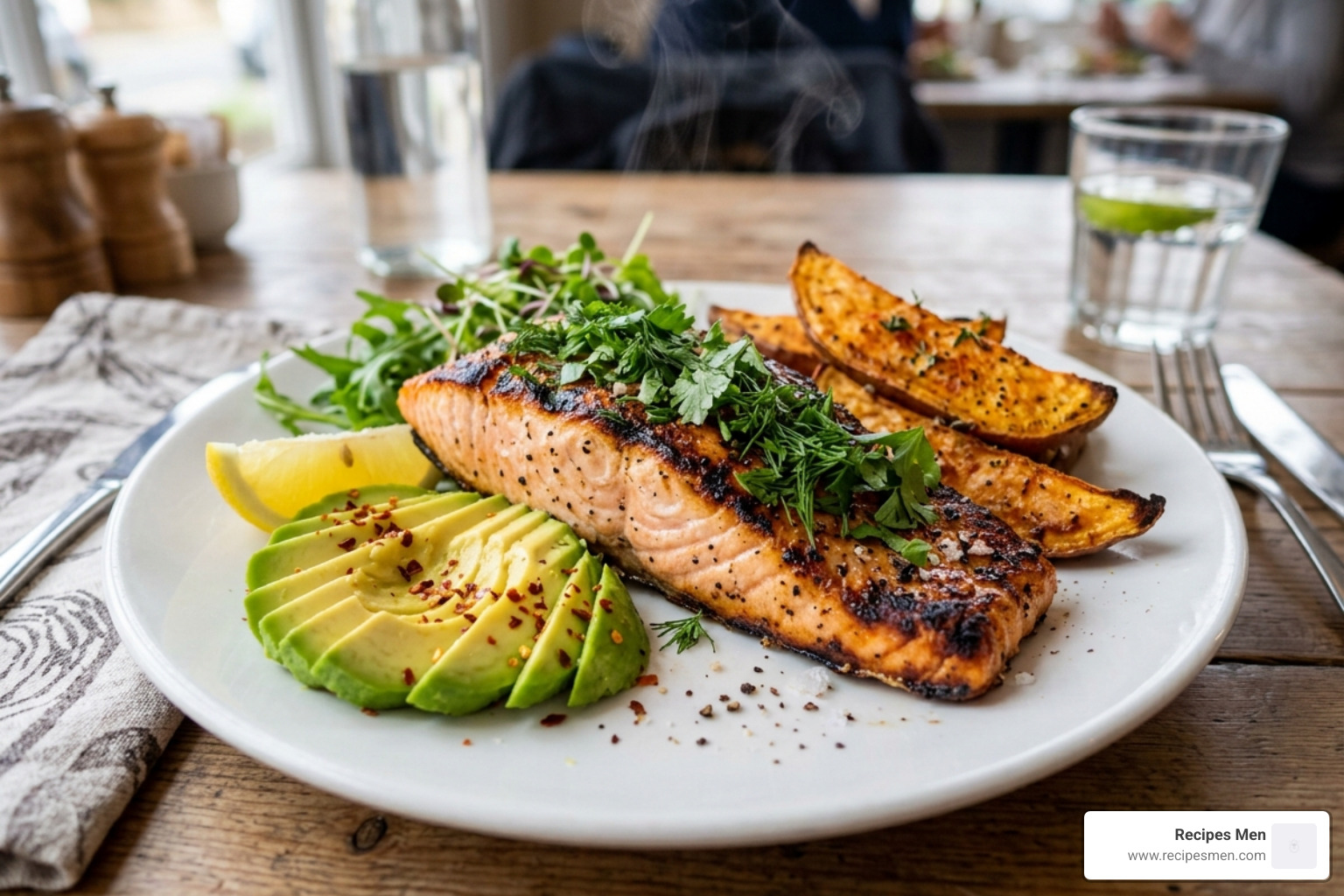
When you’re hungry after the gym, the last thing you want is a recipe that takes an hour. We focus on “stacked” protein sources—combining multiple ingredients to hit that 40g mark easily.
- Chicken Breast: The classic choice. A 6oz serving gives you roughly 35g of protein.
- Greek Yogurt: Use it as a base for dressings or a creamy “crema.” It’s a protein powerhouse compared to mayo or sour cream.
- White Beans & Chickpeas: Great for fiber and “slow-burning” protein that keeps you full.
- Canned Tuna/Salmon: The ultimate “zero-cook” protein. A single can can provide 25-30g of protein instantly.
The 15-Minute White Bean Chicken Salad This is one of our favorites because it uses rotisserie chicken to save time. Mix shredded chicken, a can of rinsed white beans, a dollop of Greek yogurt, a squeeze of lemon, and some chopped spinach. Serve it on whole-grain toast or in a wrap. You’re looking at roughly 35g of protein and 10g of fiber.
For more ideas when the clock is ticking, see our Quick Yummy Lunch Ideas For When You Have Zero Time To Cook/.
Plant-Based Post Gym Protein Lunches
You don’t need meat to build muscle. The key for plant-based athletes is protein stacking. Since plant proteins can sometimes be lower in certain amino acids, combining sources ensures a complete profile.
- The Power Bowl: Combine tofu or tempeh (20g protein) with edamame (9g) and hemp hearts (5g).
- Chickpea “Tuna” Salad: Mash chickpeas with tahini and seaweed flakes. It’s surprisingly filling and rich in minerals.
To master the art of the bowl, check out The Ultimate Guide To Easy Lunch Bowls For Stress Free Meal Prep/.
Meal Prep and Portability for Busy Athletes
Consistency is the enemy of “winging it.” If you don’t have a plan, you’ll end up grabbing a greasy burger because you’re “starving” after leg day.
Strategic Layering for Freshness: To keep your post gym protein lunches from getting soggy, follow the “Heavy to Light” rule in your containers:
- Bottom Layer: Grains (rice, quinoa) or hearty legumes (beans).
- Middle Layer: Your protein (chicken, steak, tofu) and “hard” veggies (carrots, peppers).
- Top Layer: Delicate greens (spinach, arugula).
- Side Pot: Always keep your dressing or sauces in a separate small container.
If you’re ready to take your Sunday prep seriously, don’t miss our list: Stop Winging It With These 23 Gym Meal Prep Ideas/.
Portable Post Gym Protein Lunches for Busy Athletes
Sometimes, you’re going straight from the gym to the office or a meeting. You need something you can eat with one hand or that doesn’t require a microwave.
- Turkey & Cheese Roll-ups: Use high-quality deli turkey wrapped around a cheese stick or bell pepper strips.
- Mason Jar Salads: Layer your dressing at the very bottom, followed by chickpeas, chicken, and then greens at the top. Shake it up when you’re ready to eat!
- Bento Boxes: Pack hard-boiled eggs, almonds, Greek yogurt, and some berries for a “deconstructed” high-protein lunch.
Need a quick bridge between your workout and lunch? Try these X Awesome Quick High Protein Snacks To Try Today/.
Balancing Macros for Muscle Building vs. Fat Loss
Your specific fitness goal dictates how you should tweak your post gym protein lunches. While protein stays high in both scenarios, the “energy” macros (carbs and fats) shift.
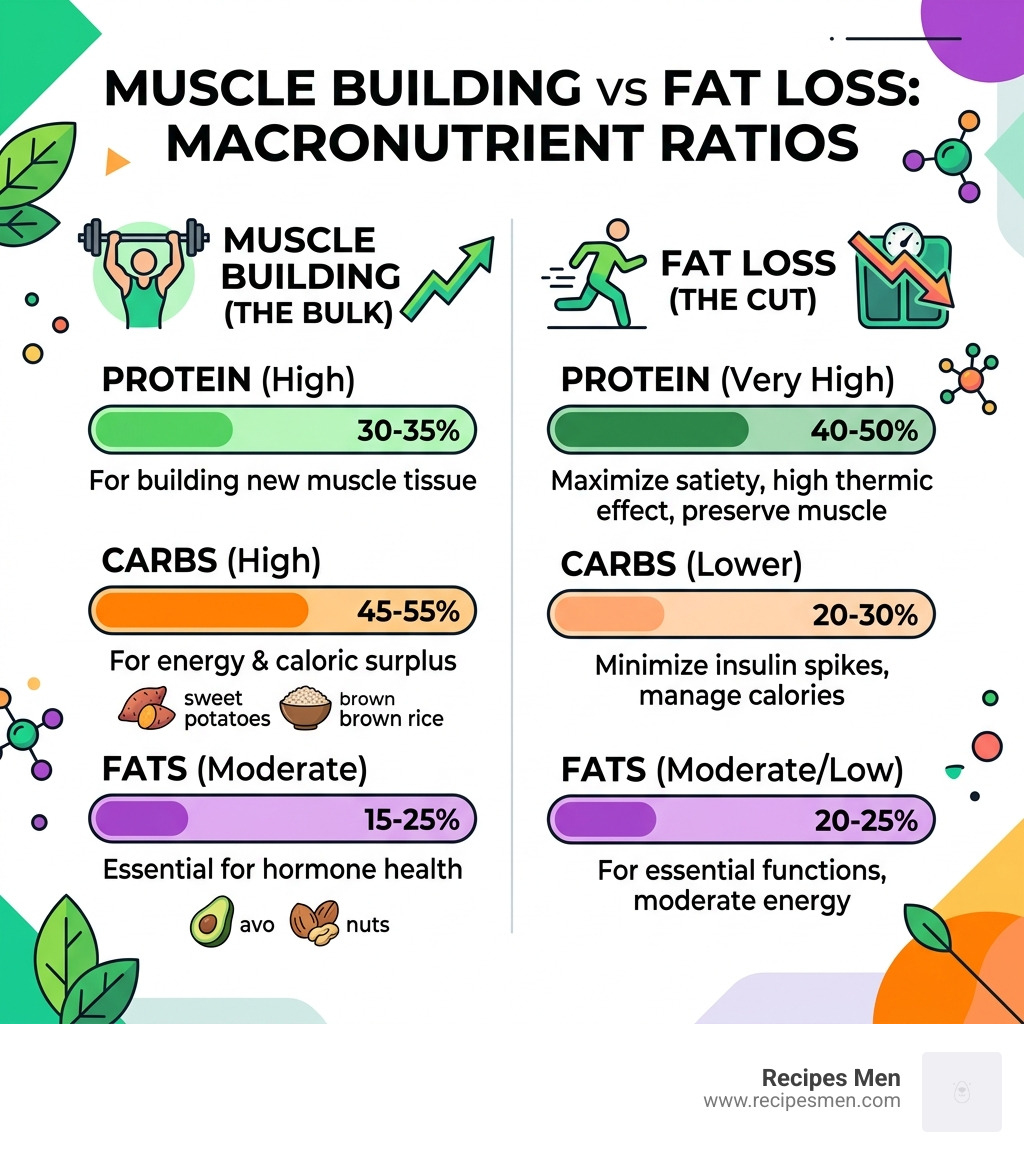
For Muscle Building (The Bulk): You need a caloric surplus. This means you should be generous with your complex carbs (sweet potatoes, brown rice, pasta) to ensure your body has the energy to build new tissue.
For Fat Loss (The Cut): You want to maximize satiety while keeping calories lower. Protein is your best friend here because it has a high “thermic effect”—your body burns more calories just digesting protein than it does fat or carbs. It also suppresses ghrelin (the hunger hormone) and boosts GLP-1 (the fullness hormone). Research on protein and satiety shows that high-protein meals keep you satisfied for 4-5 hours, preventing the dreaded afternoon snack raid.
For those strictly focused on lean gains, see our Healthy Dinners High In Protein No Carbs No Problem/.
Conclusion
At RecipesMen, we believe that fitness shouldn’t make your life harder. By mastering a few go-to post gym protein lunches, you remove the guesswork from your recovery. Whether you’re stacking plant proteins or meal-prepping burrito bowls, the goal is the same: give your body the fuel it deserves.
Nutrition is a marathon, not a sprint. Focus on whole foods, stay hydrated, and don’t be afraid to experiment with flavors. For more straightforward, flavorful recipes tailored for your lifestyle, visit RecipesMen.
What are common mistakes to avoid with post gym protein lunches?
The most common mistake is skipping carbs entirely. Even if you’re on a low-carb diet, a small amount of post-workout glucose helps shuttle protein to your muscles. Another mistake is waiting too long to eat—if you wait 4 hours, you’ve missed the prime recovery window. Finally, don’t forget hydration; protein metabolism requires water!
How do I incorporate hydration into my post-workout meal?
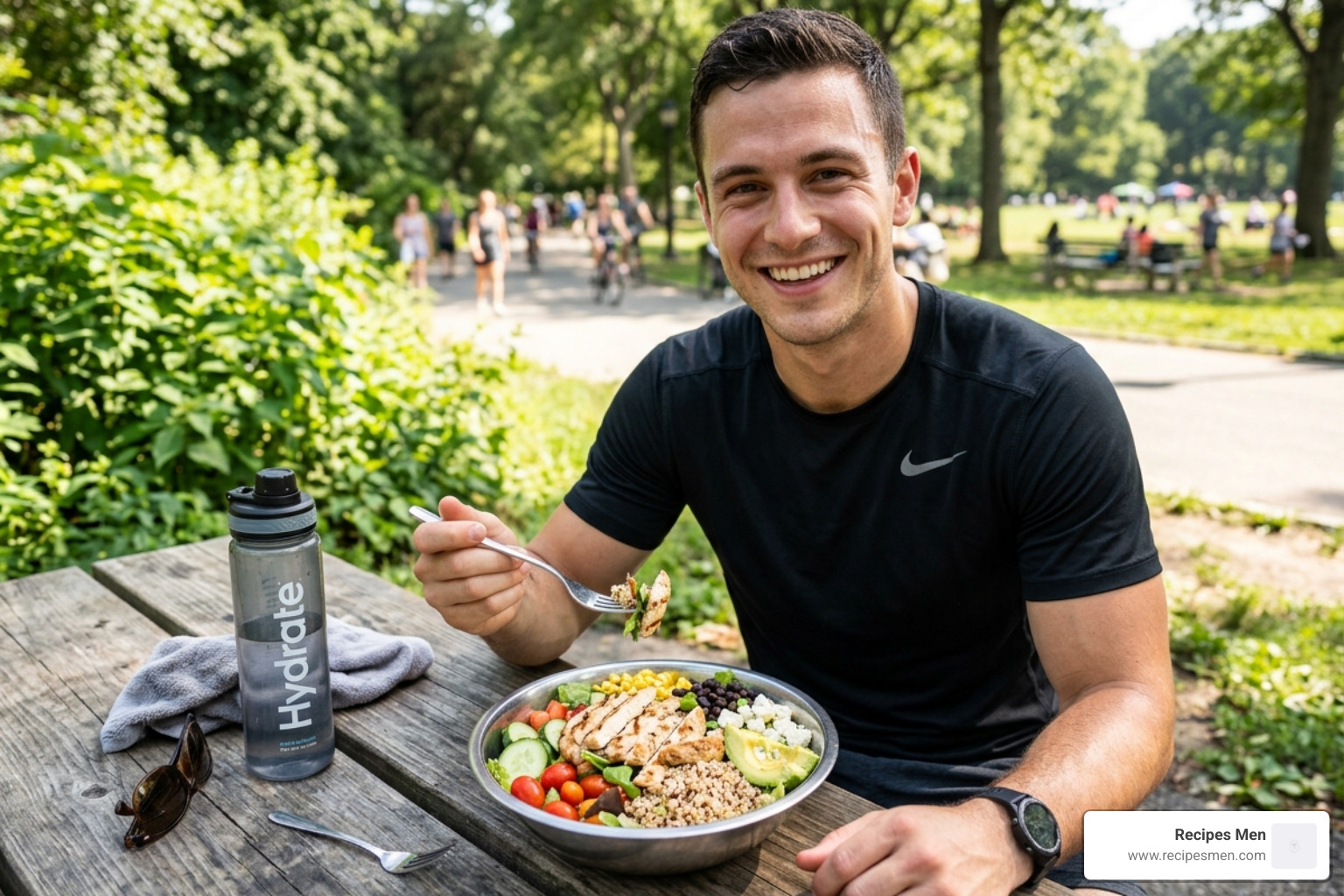
Don’t just drink plain water. You need to replace electrolytes like sodium and potassium lost through sweat. Incorporate high-water vegetables like cucumbers and bell peppers into your lunch. A pinch of sea salt on your chicken or a side of potassium-rich avocado can also help restore balance.
Can I use protein powder in my lunch recipes?
Absolutely! While shakes are common, you can get creative. Try adding unflavored protein powder to a savory oat bowl or mixing it into a Greek yogurt-based salad dressing. It’s a massive convenience factor when you’re short on whole-food protein sources.

