
Why Your Muscles Are Begging You to Eat Better After Every Workout
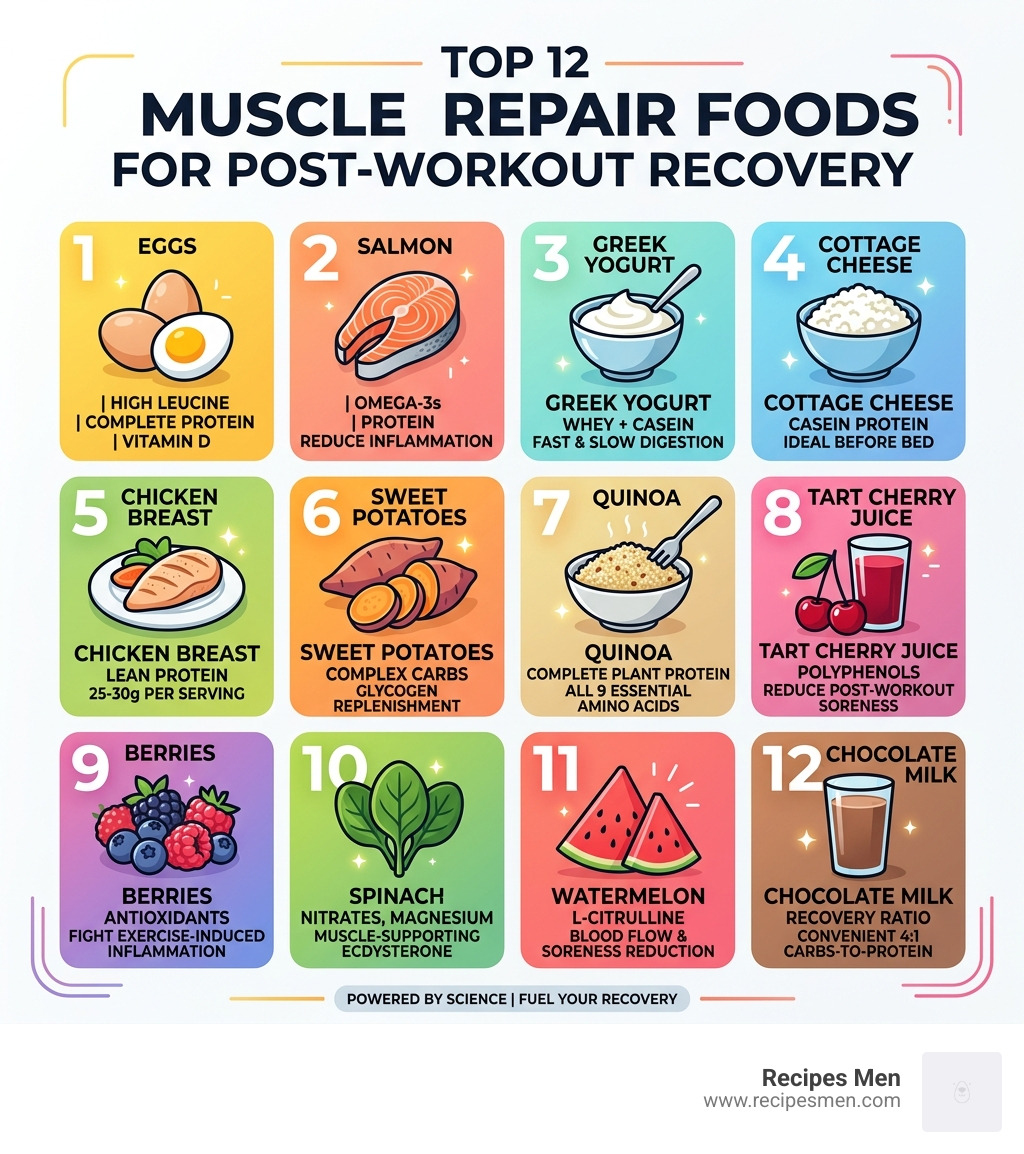
The best food for muscle repair includes eggs, salmon, Greek yogurt, cottage cheese, chicken breast, sweet potatoes, quinoa, tart cherry juice, berries, spinach, watermelon, and chocolate milk.
Here’s a quick-reference list ranked by overall recovery value:
- Eggs – complete protein, high leucine, vitamin D
- Salmon – protein + omega-3s for inflammation reduction
- Greek yogurt – fast-digesting whey + slow-digesting casein
- Cottage cheese – casein protein, ideal before bed
- Chicken breast – 25-30g lean protein per serving
- Sweet potatoes – complex carbs for glycogen replenishment
- Quinoa – complete plant protein, all 9 essential amino acids
- Tart cherry juice – polyphenols that reduce post-workout soreness
- Berries – antioxidants that fight exercise-induced inflammation
- Spinach – nitrates, magnesium, and muscle-supporting ecdysterone
- Watermelon – L-citrulline for blood flow and soreness reduction
- Chocolate milk – convenient 4:1 carb-to-protein recovery ratio
Every time you push through a hard workout, you’re doing something good — and something damaging at the same time.
Exercise creates tiny tears in your muscle fibers. Your body then repairs those tears, making the muscle stronger than before. But that repair process needs raw materials to work.
Without the right nutrients? Recovery slows down. Soreness lingers longer. And your gains stall.
The good news: you don’t need complicated supplements or expensive powders. Real, whole foods — things you can prep in minutes — do the job better than most people realize.
This guide breaks down exactly which foods accelerate muscle repair, how much to eat, and when to eat them. Whether you’re lifting three times a week or just getting back into a routine, this is the fuel plan your body needs.
Why Post-Workout Nutrition is the Best Food for Muscle Repair Strategy
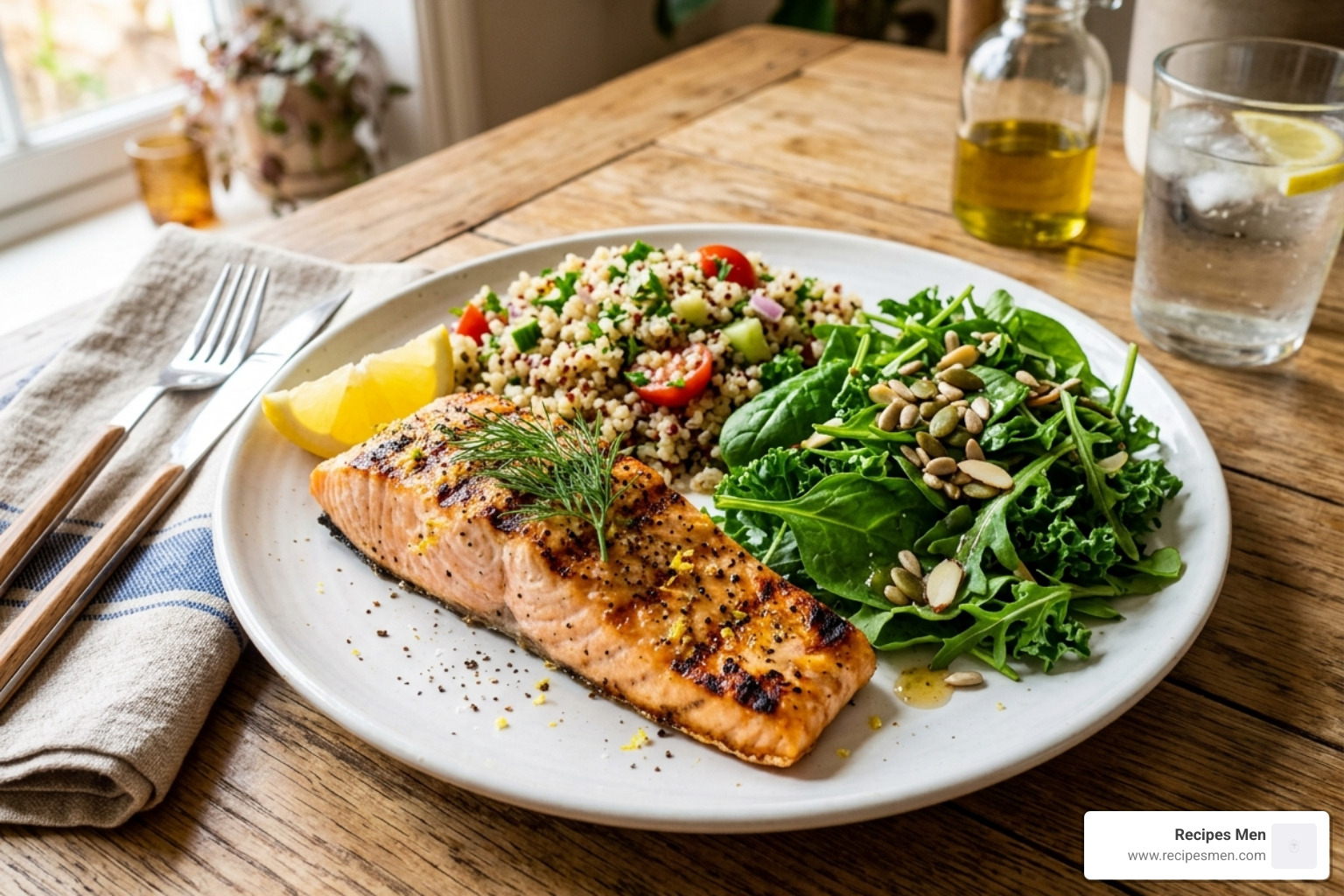
When we finish a grueling session at the gym in April 2026, our bodies are in a unique physiological state. We’ve depleted our glycogen (stored energy), and our muscle proteins are literally breaking down. Post-workout nutrition isn’t just a “reward” for working hard; it’s a biological necessity to shift the body from a state of breakdown (catabolism) to a state of growth and repair (anabolism).
The primary goal of the best food for muscle repair is to stimulate muscle protein synthesis (MPS). This is the process where your body uses amino acids to mend those microscopic tears we mentioned earlier. Furthermore, eating the right nutrients helps manage cortisol—the stress hormone that spikes during exercise and can actually hinder muscle growth if left unchecked.
Science shows that insulin sensitivity is at its peak immediately following a workout. By consuming carbohydrates alongside protein, we trigger an insulin response that acts like a delivery truck, shuttling glucose and amino acids directly into the hungry muscle cells. For a deeper dive into these mechanisms, check out this narrative review on nutritional strategies or our guide on eating to compete and recovering from sore muscles.
The Role of Macronutrients in Tissue Healing
To maximize recovery, we need a “Big Three” approach:
- Protein: Provides the amino acids (the building blocks) needed for repair. The International Society of Sports Nutrition (ISSN) recommends 20 to 40 grams of high-quality protein every 3 to 4 hours to keep the repair process humming.
- Carbohydrates: These are vital for replenishing glycogen. A solid rule of thumb is to consume 0.5 grams of carbohydrates per pound of body weight post-workout (about 75g for a 150lb man).
- Fats: While they don’t directly fuel repair in the same way, healthy fats—especially Omega-3s—help manage the inflammation that follows a heavy lifting session.
Preventing Delayed Onset Muscle Soreness (DOMS)
We’ve all had that “walking like a penguin” feeling two days after leg day. That’s DOMS. While some inflammation is a natural part of getting stronger, excessive inflammation can sideline you. By choosing foods dense in antioxidants and micronutrients, we can help our cells clear out metabolic waste and reduce that stiff, achy feeling. For more on this, see our article on the top protein-rich foods for muscle recovery.
The Top 12 Recovery Superfoods for Men
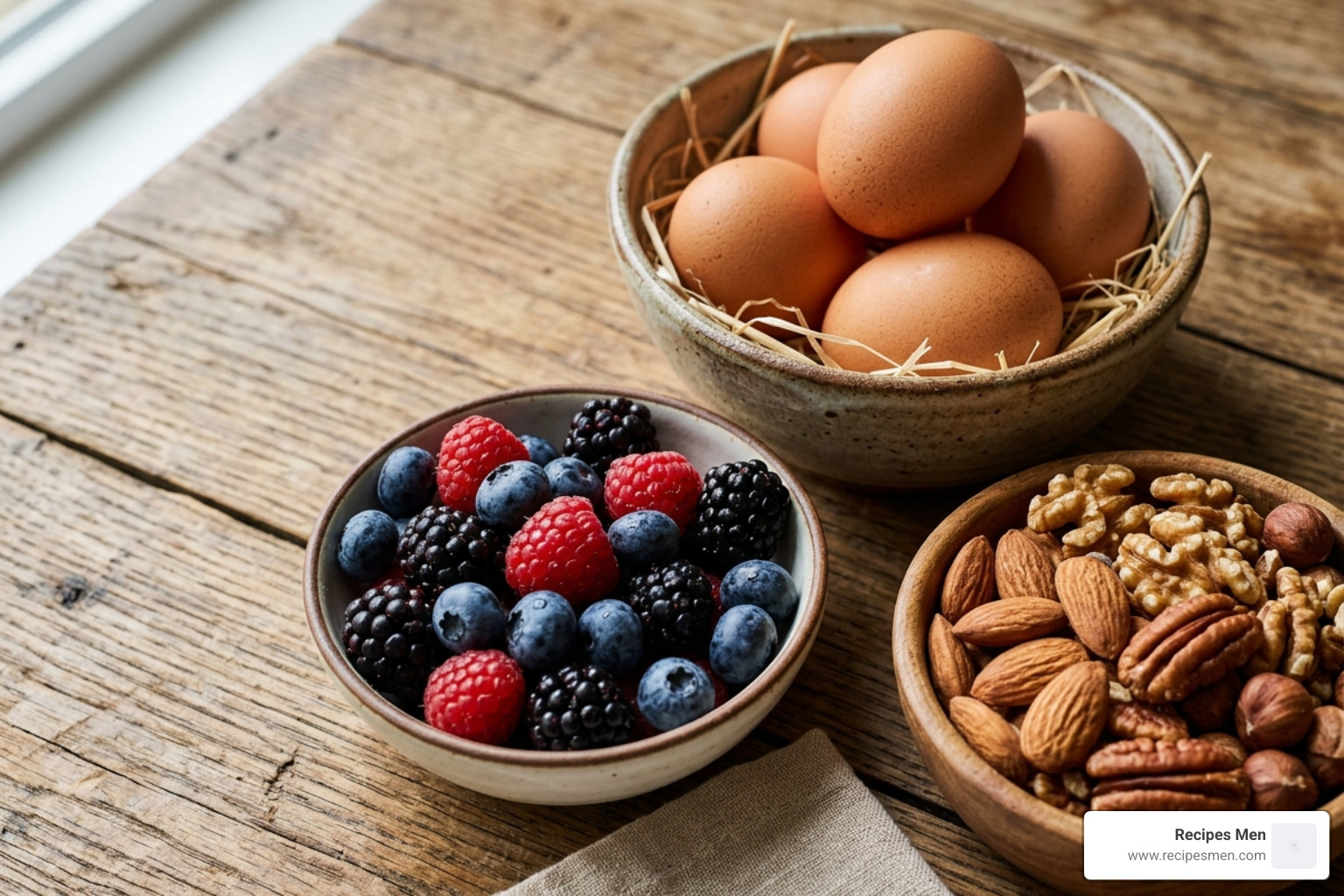
Whole foods offer a “synergy” that supplements often lack. When you eat a piece of salmon, you aren’t just getting protein; you’re getting B vitamins, selenium, and healthy fats that all work together to improve bioavailability—how well your body actually uses the nutrients.
| Food Item | Protein (per serving) | Key Recovery Benefit |
|---|---|---|
| Eggs (2-3) | 12-18g | Highest leucine content for MPS |
| Salmon (3oz) | 22g | Omega-3s to fight inflammation |
| Greek Yogurt | 15-20g | Probiotics + dual-action protein |
| Chicken Breast | 25-30g | Lean, high-quality amino profile |
| Quinoa (1 cup) | 8g | Complete plant protein + complex carbs |
Eggs: The Best Food for Muscle Repair and Leucine Intake
Eggs are often called the “gold standard” for protein. Why? Because they have the highest protein digestibility-corrected amino acid score. One large egg provides about 500 mg of leucine, the specific amino acid that acts as a “light switch” to turn on muscle growth. Experts suggest you need between 700 mg and 3,000 mg of leucine to fully trigger the repair process. Plus, the yolk contains Vitamin D and choline, which are essential for muscle function. If you’re on a budget, eggs are your best friend; check out our guide to budget protein foods.
Fatty Fish and Lean Meats
Salmon and mackerel are recovery powerhouses because they combine high-quality protein with potent Omega-3 fatty acids. A 4 oz serving of mackerel provides about 3g of Omega-3s, which studies show can significantly reduce muscle soreness markers. On the leaner side, chicken breast remains a staple for a reason: it delivers 25-30 grams of protein with minimal fat, making it easy to digest. Need a plan for your next heavy workout? See our leg day meal prep strategies.
Dairy Powerhouses: Greek Yogurt and Cottage Cheese
Dairy contains two types of protein: whey (fast-digesting) and casein (slow-digesting). Greek yogurt is a fantastic post-workout snack because it hits the system quickly. Cottage cheese, however, is the “secret weapon” for nighttime. It is packed with casein, which provides a steady drip of amino acids to your muscles while you sleep. Research suggests that consuming 40g of casein before bed can significantly improve muscle recovery. Learn more about why cottage cheese is a secret protein weapon.
Complex Carbs: Quinoa and Sweet Potatoes
You can’t repair a house without energy for the workers. Quinoa is unique because it’s one of the few plant foods that is a “complete protein,” containing all nine essential amino acids. Sweet potatoes provide the complex carbohydrates needed to refill your glycogen tanks without the sugar crash associated with processed snacks. They are also rich in manganese, which supports bone and joint health. For a great morning recovery option, try our high protein overnight oats.
Anti-Inflammatory Fruits: Tart Cherries and Berries
Berries aren’t just for flavor; they are packed with sirtuins and flavonoids that regulate cell longevity and metabolism. Tart cherry juice has gained massive popularity in 2026 for its ability to reduce oxidative stress. Drinking it regularly can actually have a “protective” effect, meaning your muscles might sustain less damage during the workout in the first place.
Performance Greens and Hydrating Melons
Spinach is rich in nitrates, which improve the efficiency of your mitochondria (the power plants of your cells), and ecdysterone, a plant compound that may naturally support strength. Watermelon is another heavy hitter; it contains L-citrulline, an amino acid that the body converts into nitric oxide to relax blood vessels and improve blood flow to damaged tissues.
Timing and Macronutrients: The Science of the Anabolic Window
You may have heard of the “anabolic window”—the idea that you must eat within 30 minutes of training or your workout was wasted. In April 2026, we know the window is actually a bit wider, but timing still matters. Muscles are most receptive to nutrients in the first 2 hours after exercise.
To maximize this, aim for a 3:1 or 4:1 carb-to-protein ratio. This combination ensures you have the energy to stop muscle breakdown and the amino acids to start the repair. If you’re feeling overwhelmed by the math, remember our mantra: stop overcomplicating your gains.
Optimizing Protein Distribution
It’s not just about one big meal. To keep your body in a “repairing” state, you should aim to consume 20-40 grams of protein every 3 to 4 hours. This maintains a positive nitrogen balance, ensuring there is always a supply of amino acids available for your muscles. This consistent intake is often more effective for long-term growth than slamming a massive 100g protein shake once a day. For a list of the best sources, check out these 10 high-protein foods.
Hydration and Electrolyte Replenishment
Muscle repair stops if you’re dehydrated. Water is essential for protein synthesis and the transport of nutrients. A good rule is to drink 16-24 ounces of fluid for every pound of weight lost during exercise. Don’t forget electrolytes like sodium, potassium, and magnesium, which help regulate muscle contractions and prevent cramping. Coconut water is a great natural alternative to sugary sports drinks for this.
Frequently Asked Questions About Muscle Recovery
What is the Best Food for Muscle Repair After a Heavy Lift?
If you need speed, whey protein and eggs are the winners because they are absorbed quickly. However, many athletes swear by chocolate milk. It naturally hits that 4:1 carb-to-protein ratio and provides the insulin spike needed to drive nutrients into the muscle fibers quickly.
Are supplements like BCAAs or Creatine necessary?
While whole foods should always be your priority, supplements can be useful. Creatine monohydrate is one of the most researched and effective supplements for increasing muscle energy and repair. However, a diet rich in red meat and fish provides natural creatine. BCAAs (Branched-Chain Amino Acids) can help, but since eggs and dairy are already loaded with them, they aren’t always necessary if your diet is on point.
How can I reduce muscle soreness through diet?
Focus on Omega-3s (salmon, walnuts, chia seeds) and anthocyanins (tart cherries, blueberries). Most importantly, avoid alcohol and excessive processed sugars after a workout. Alcohol is a diuretic that slows down protein synthesis and halts the repair process in its tracks.
Conclusion
At RecipesMen, we believe that building a better body shouldn’t require a degree in chemistry or a massive grocery budget. By focusing on the best food for muscle repair—like eggs, cottage cheese, and sweet potatoes—you can speed up your recovery and see the results of your hard work much faster.
Ready to start your journey? Check out The Broke Man’s Guide to Clean Bulking for more budget-friendly tips, or visit RecipesMen.com for straightforward, flavorful recipes that make recovery the best part of your day. Keep it simple, keep it tasty, and keep those gains coming!

