
What Is a Healthy Daily Meal Plan (And Why Most Guys Get It Wrong)
A healthy daily meal plan is a structured approach to eating that gives your body the right mix of protein, carbs, fat, and fiber — every single day — without turning mealtimes into a chore.
Here’s the short answer if you’re in a hurry:
- Aim for 2,000 calories per day for maintenance, or around 1,500 calories for gradual weight loss
- Hit at least 30g of fiber and 88g+ of protein daily for fullness and muscle support
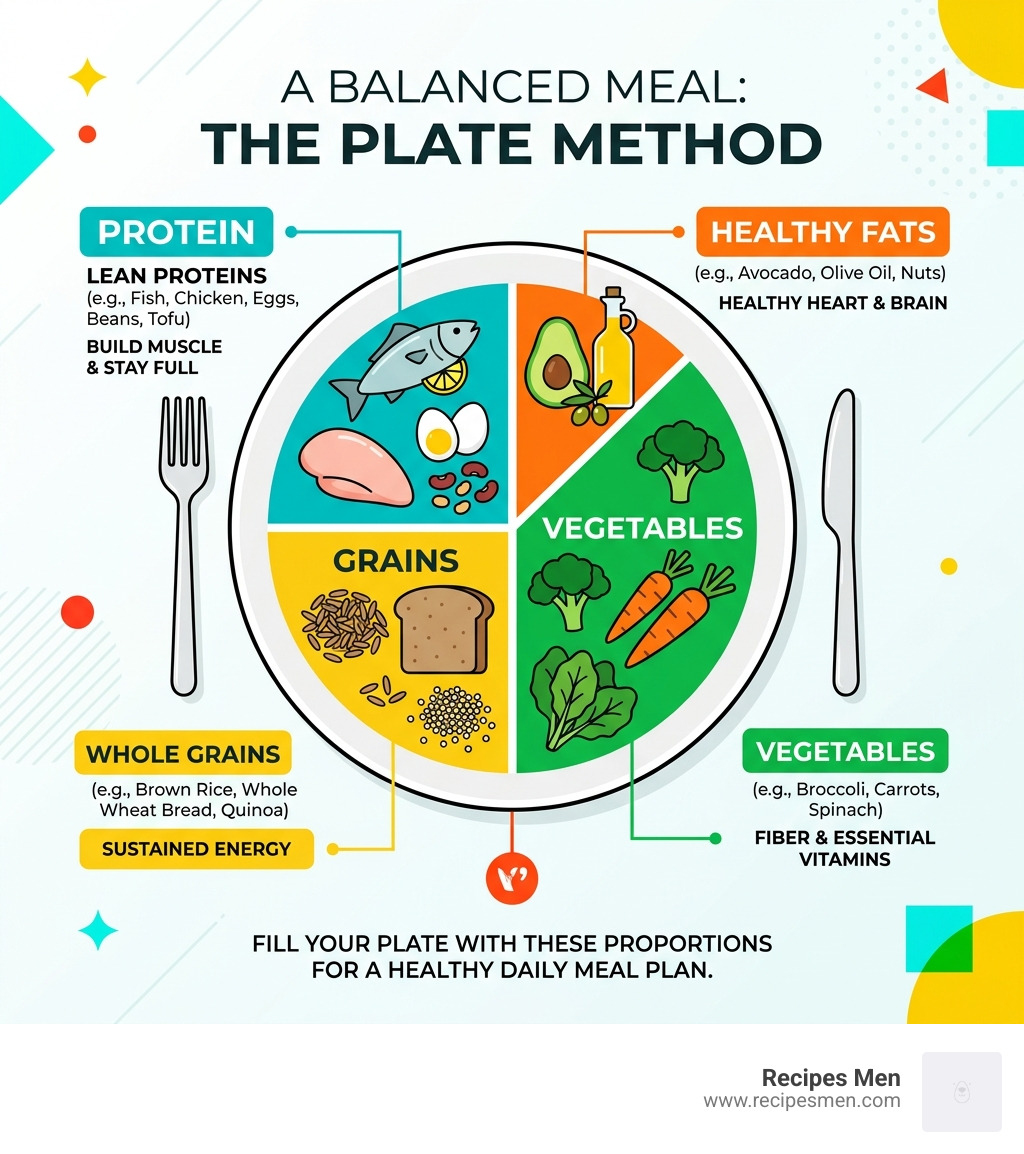
- Build every meal around lean protein, whole grains, vegetables, and a healthy fat
- Drink 13 cups of water per day (men’s general target)
- Plan meals in advance to avoid the 1 p.m. vending machine spiral
That’s the foundation. Everything else is just filling in the details.
Here’s the uncomfortable truth: most guys don’t eat badly because they lack willpower. They eat badly because they haven’t planned anything. It’s 1 p.m., you skipped breakfast, your only option is a vending machine or a sad desk takeout order — and that becomes the pattern.
The average American adult consumes around 17 teaspoons of added sugar per day, and only 5% of adults hit their daily fiber goal. Those two numbers alone explain why so many people feel sluggish, hungry all the time, and stuck.
A solid daily meal plan fixes both — and it doesn’t have to be complicated.
Why You Need a Healthy Daily Meal Plan in 2026
By April 2026, the world hasn’t gotten any slower. We are busier than ever, and the temptation to “wing it” with our nutrition is at an all-time high. But here is the reality: a healthy daily meal plan is the ultimate life hack for your brain and body.
When we plan our meals, we eliminate “decision fatigue.” That’s the mental exhaustion you feel at 6:00 PM when you’ve made a thousand choices at work and can’t decide between a salad or a double cheeseburger. Usually, the cheeseburger wins. By having a plan, the choice is already made.
Beyond just making life easier, consistent meal planning is vital for disease prevention and mental clarity. Research shows that a balanced intake of nutrients supports cognitive function and stabilizes mood. If you’ve ever felt that “heavy” feeling after a week of processed junk, you know exactly what we mean.
Sustainability is the name of the game. You don’t need a crash diet; you need The Daily Eating Plan To Lose Weight Without Losing Your Mind. Consistency beats intensity every time. When you eat well daily, you maintain steady energy levels for your morning workouts and stay satiated throughout the day, preventing the dreaded “hangry” episodes that lead to overeating.

Core Principles of a Balanced Daily Menu
To build a healthy daily meal plan that actually works, we need to look at the “Big Three”: macronutrients, portion control, and calorie targets.
- Macronutrients: These are your proteins, carbohydrates, and fats. A balanced plate generally consists of 1/4 lean protein, 1/4 complex carbohydrates (like whole grains), and 1/2 vegetables, with a small serving of healthy fats.
- Portion Control: You don’t necessarily need to weigh every blueberry. A simple trick is using your hand: a palm-sized portion of protein, a fist-sized portion of veggies, and a thumb-sized portion of fats.
- Calorie Targets: While everyone is different, most men need between 2,400 and 3,000 calories for maintenance, while women typically range from 1,800 to 2,400.
If you are looking for a jumpstart, Our 14-Day Healthy Eating Plan Will Help You Stay on Track provides a fantastic foundation that focuses on keeping sodium under 2,000mg and prioritizing fiber.
Calorie Needs: Weight Loss vs. Maintenance
| Goal | Average Target (Men) | Average Target (Women) |
|---|---|---|
| Weight Loss | 1,800 – 2,200 kcal | 1,500 – 1,800 kcal |
| Maintenance | 2,400 – 3,000 kcal | 1,800 – 2,400 kcal |
Note: These are general estimates. Your specific needs depend on age, height, and activity level.
Hydration is non-negotiable. For optimal performance, experts recommend approximately 13 cups of water per day for men and 9 cups for women. If you’re active, you’ll likely need even more.
Essential Food Groups for Your Healthy Daily Meal Plan
What actually goes on the plate? We want nutrient-dense foods that provide “bang for your buck.”
- Lean Protein: Think grilled chicken, 99% lean ground turkey, white fish, or plant-based options like lentils and tofu. These are essential for muscle repair and keeping you full.
- Whole Grains: Swap white bread for 100% whole wheat, quinoa, or oats. Quinoa is a secret weapon—it’s naturally gluten-free and high in protein.
- Healthy Fats: Avocados, nuts, seeds, and olive oil. Use olive oil sparingly (about 1 tsp for sautéing) to keep calories in check.
- Fiber: This is the most underrated nutrient. The daily fiber target is 30g, yet most adults fail to hit even half of that. Fiber regulates your digestion and keeps your blood sugar stable.
Starting your day right is crucial. Check out The Ultimate Guide To Morning Fuel For Busy Guys to see how to pack protein and fiber into your breakfast. The average adult consumes 17 teaspoons of added sugar per day—mostly from drinks and processed snacks. By focusing on whole foods, we can slash that number and avoid the energy crashes that follow sugar spikes.
Customizing Your Healthy Daily Meal Plan for Long-Term Success
A meal plan is only good if you actually follow it. If you hate kale, don’t force yourself to eat kale. The key to sustainability is finding foods you enjoy that also happen to be healthy.
- Dietary Restrictions: Whether you are vegan, gluten-free, or managing a diabetes-friendly diet, the principles remain the same. Focus on whole, unprocessed foods. For example, if you’re gluten-free, lean on rice, potatoes, and quinoa instead of processed GF breads.
- Listen to Hunger Cues: Don’t just eat because the clock says it’s noon. Learn to distinguish between “boredom hunger” and “actual hunger.”
- Track Progress: You don’t have to track forever, but keeping a log for the first few weeks of a 30 Day Fitness Meal Plan can help you understand where your calories are coming from.
Specialized Eating Patterns for Targeted Health
Sometimes, a general healthy daily meal plan needs a specific tweak to address health goals like lowering blood pressure or building serious muscle.
- DASH Diet: Scientifically proven to lower blood pressure and cholesterol. It emphasizes fruits, veggies, and low-fat dairy while strictly limiting sodium. Simple hacks, like swapping bran flakes (high sodium) for shredded wheat, can save you hundreds of milligrams of salt daily.
- Mediterranean Eating: This is widely considered the “gold standard” for heart health. It’s rich in healthy fats (olive oil, fish) and plants. It’s also very budget-friendly if you focus on seasonal produce and beans.
- High-Protein / Clean Bulking: If you’re hitting the gym hard, you need more fuel. The Broke Mans Guide To Clean Bulking shows you how to get the protein you need without spending a fortune.
- Anti-Inflammatory: Focuses on berries, fatty fish (like salmon), and leafy greens to reduce chronic inflammation.
If you are training specifically for performance, you might want to Master Your Week With This Simple 7 Day Workout Meal Plan, which aligns your nutrient timing with your exercise schedule.
Practical Strategies for Prep and Budgeting
You don’t need a personal chef to eat well. You just need a system.
1. The Power of the Grocery List Never walk into a grocery store without a list. It’s the fastest way to end up with a cart full of frozen pizzas. Shop the perimeter of the store—that’s where the fresh produce, meat, and dairy live.
2. Buy Seasonal and Bulk Seasonal produce is cheaper and tastes better. For staples like rice, beans, and frozen veggies, buy in bulk. Rinsing canned beans can reduce sodium content significantly, making them a cheap and healthy protein source.
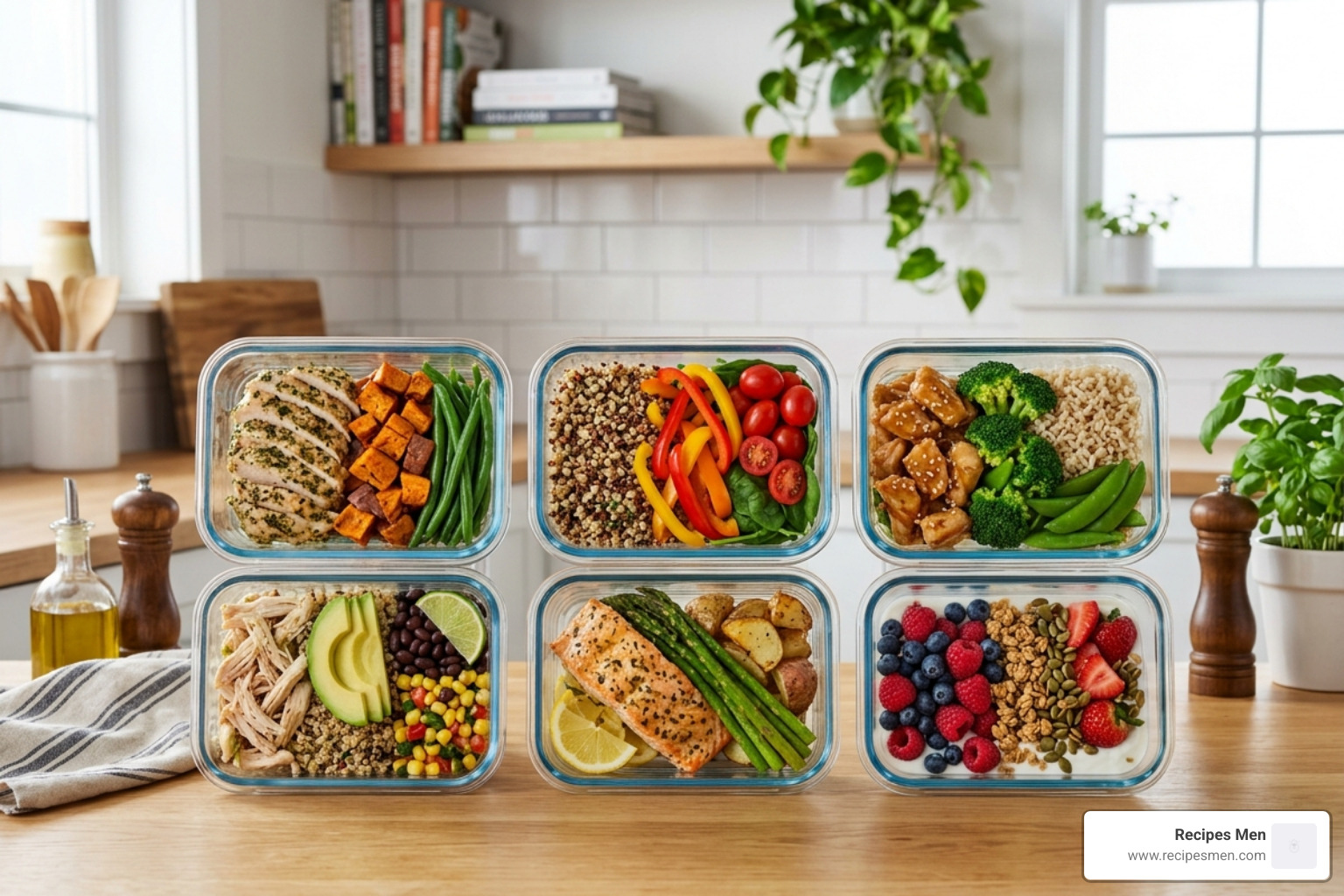
3. Batch Cooking Don’t cook every single night. Spend Sunday afternoon prepping “base foods.” Roast a huge tray of veggies, cook a big pot of grains, and grill several chicken breasts. This “mix-and-match” strategy allows you to create different meals throughout the week without starting from scratch every time.
For more inspiration, check out Stop Winging It With These 23 Gym Meal Prep Ideas.
4. Reduce Food Waste Use your leftovers! That leftover roasted broccoli from Tuesday can easily go into a Wednesday morning omelet or a Thursday lunch bowl. The Clean Eating Dinner Guide Healthy Meals For Busy People is a great resource for learning how to make quick, no-waste dinners.
Frequently Asked Questions about Meal Planning
How many calories should my daily plan include?
For most adults, a healthy daily meal plan should target around 2,000 calories for maintenance. If weight loss is the goal, dropping to 1,500 calories is often effective, though men with high activity levels may need more. Always consult with a healthcare professional before making drastic changes, especially if you have underlying conditions.
Is it okay to eat the same meals every day?
Yes and no. Eating the same breakfast and lunch can be a great way to save time and ensure you hit your macros. However, try to vary your dinners and snacks to ensure you get a wide range of micronutrients (vitamins and minerals). A mix-and-match strategy—where you use the same base ingredients but different spices or sauces—is a great middle ground.
Why is 1,200 calories considered too low for most adults?
Research suggests that 1,200 calories is simply not enough for most people to meet their nutritional needs. It can lead to:
- Muscle Loss: Your body may start breaking down muscle tissue for energy.
- Metabolic Slowdown: Your metabolism may drop as your body tries to conserve energy.
- Nutrient Deficiencies: It is very difficult to get enough fiber, protein, and vitamins on such a low budget.
- Unsustainability: Most people can’t stick to it, leading to a “yo-yo” dieting cycle.
Conclusion
At RecipesMen, we believe that eating well shouldn’t feel like a second job. A healthy daily meal plan is simply about being prepared. By focusing on whole foods, hitting your protein and fiber targets, and staying hydrated, you’re already ahead of 95% of the population.
Start small. Maybe this week you just focus on prepping your lunches. Next week, you tackle breakfast. Over time, these small choices turn into lifelong habits that support your fitness, your mental health, and your longevity.
Ready to take the next step? Visit RecipesMen for more meal planning guides and start building a menu that works for you, not against you.

