
The Smart Eater’s Guide: Superfoods for a Sharper Mind
What You Eat Directly Shapes How You Feel
Superfoods mental health is a real, science-backed connection — not just a wellness trend. Here’s a quick look at the top superfoods that support mood, focus, and emotional resilience:
| Superfood | Key Nutrient | Mental Health Benefit |
|---|---|---|
| Fatty fish (salmon) | Omega-3s (DHA, EPA) | Reduces depression, builds gray matter |
| Leafy greens (spinach, kale) | Folate | Supports neurotransmitter production |
| Wild blueberries | Flavonoids | Boosts brain blood flow, lifts mood |
| Greek yogurt / kefir | Probiotics | Lowers anxiety, supports gut-brain axis |
| Walnuts / pumpkin seeds | Magnesium, ALA | Reduces anxiety, lowers depression scores |
| Dark chocolate (85%+ cocoa) | Flavonoids | Stimulates endorphins, improves mood |
| Whole grains (oats, quinoa) | B-vitamins | Stabilizes energy, supports serotonin |
What you eat doesn’t just fuel your body — it directly shapes your brain chemistry.
About 60% of your brain is made of fat. It relies on a steady supply of nutrients to produce neurotransmitters like serotonin and dopamine — the chemicals that regulate your mood, focus, and stress response. When that supply falls short, your mental health can take a hit.
The good news? A handful of nutrient-dense foods — often called superfoods — can make a meaningful difference. Research consistently links diets rich in omega-3s, folate, antioxidants, and probiotics to lower rates of depression and anxiety.
There’s also a gut-brain connection at play. Your gut microbiome produces many of the same mood-regulating compounds as your brain. Foods that nourish your gut — like fermented foods and fiber-rich greens — can have a surprisingly powerful effect on how you feel day to day.
This guide breaks down the best superfoods for mental health, the science behind why they work, and simple ways to fit them into a busy schedule — no complicated meal plans required.
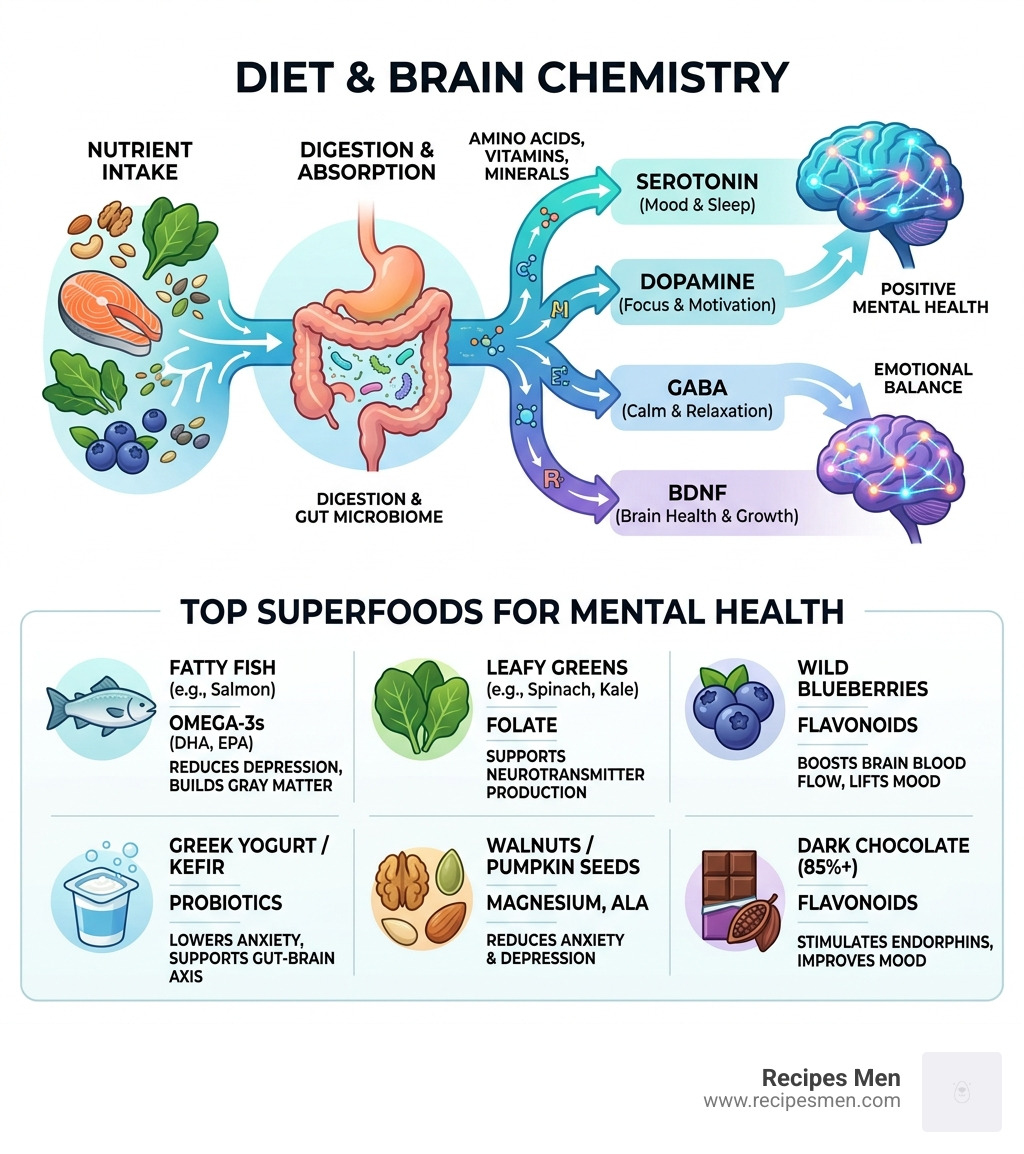
How Superfoods Mental Health Support Works in the Brain
When we talk about Superfoods mental health, we aren’t just talking about “eating your veggies” because it’s the right thing to do. We are talking about biological intervention. Your brain is an energy-hungry organ, and it is highly susceptible to things like neuroinflammation and oxidative stress.
Neuroinflammation is essentially a “fire” in the brain. When we eat highly processed, sugary foods, we stoke that fire, which is linked to brain fog and depression. Superfoods act like a fire extinguisher. They contain bioactive compounds that lower inflammation and protect brain cells from damage. Furthermore, certain foods promote the production of Brain-Derived Neurotrophic Factor (BDNF). Think of BDNF as “Miracle-Gro” for your brain; it helps repair brain cells and supports the growth of new neural pathways.
Scientific reviews, such as this Superfoods and their impact on brain health: a systematic review, highlight how specific nutrients cross the blood-brain barrier to offer neuroprotection. Understanding these mechanisms is the first step in learning how to improve your mental health without losing your mind.

The Role of the Gut-Brain Axis
You’ve probably heard of the “gut-brain axis,” but what does it actually mean? It’s a two-way communication street between your digestive system and your central nervous system, connected primarily by the vagus nerve.
Here is a mind-blowing fact: a huge portion of your body’s serotonin — the “feel-good” hormone — is produced in your gut, not your brain. Your gut microbiota (the trillions of bacteria living in your belly) are responsible for creating neuroactive compounds like GABA, dopamine, and serotonin. When you eat superfoods like fermented yogurt or fiber-rich greens, you are feeding the “good” bacteria. This leads to better emotional regulation and lower stress levels. For more on this connection, check out our Category/Saude Menta/ for deep dives into mental wellness.
Key Nutrients for Emotional Regulation
To keep the gears of your mind turning smoothly, you need a specific set of tools. These are the “Big Five” nutrients for Superfoods mental health:
- Omega-3 Fatty Acids: These are the building blocks of brain cell membranes.
- Folate (Vitamin B9): Essential for neurotransmitter metabolism. Low levels are frequently linked to higher depression risk.
- Magnesium: Often called “nature’s Valium,” it helps regulate the stress response and promotes calmness.
- Vitamin D: Technically a hormone, it plays a massive role in mood regulation and preventing seasonal blues.
- Zinc: Supports the immune system and neurotransmitter function.
Getting these from whole foods is always the gold standard. We’ve covered the best products and ways to keep mentally healthy to help you stock your pantry with the right stuff.
Top 7 Superfoods for Mood and Cognitive Clarity
Not all foods are created equal when it comes to your headspace. Some provide a quick spark, while others offer long-term protection. Here is a breakdown of the heavy hitters in Superfoods mental health:
| Superfood | Primary Nutrients | Specific Mental Health Benefit |
|---|---|---|
| Fatty Fish | Omega-3 (EPA/DHA) | Increases gray matter; reduces anxiety symptoms |
| Leafy Greens | Folate, Magnesium | Lowers homocysteine; reduces dementia risk |
| Berries | Anthocyanins | Protects against oxidative stress; boosts memory |
| Fermented Foods | Probiotics | Regulates cortisol; improves mood via gut-brain axis |
| Nuts & Seeds | ALA, Zinc, Selenium | Promotes calmness; lowers depression scores |
| Dark Chocolate | Flavonoids | Stimulates endorphins; improves focus |
| Whole Grains | B-Vitamins, Fiber | Steady glucose release; prevents irritability |
Research on these 10 Mood-Boosting Superfoods shows that simple swaps can lead to a much happier headspace.
Fatty Fish: The Omega-3 Powerhouse for Superfoods Mental Health
If your brain is 60% fat, you want to make sure it’s the good kind of fat. Fatty fish like salmon, mackerel, sardines, and trout are loaded with Omega-3 fatty acids, specifically EPA and DHA. These fats are essential for building brain cells and reducing inflammation.
Regularly eating fatty fish has been shown to increase gray matter in the brain — the part responsible for processing information and regulating emotions. Some studies even suggest that high-quality omega-3 intake can be as effective as certain antidepressant medications in reducing symptoms for some people. It’s one of the best ways to stay mentally healthy and happy without needing a pharmacy.
Leafy Greens and Neurotransmitter Metabolism
Spinach, kale, Swiss chard, and arugula are nature’s multivitamin for the brain. They are incredibly high in folate, a B-vitamin that helps your body produce neurotransmitters.
When folate levels are low, a compound called homocysteine can build up in the blood. High homocysteine is bad news — it’s linked to brain inflammation and an increased risk of depression. By loading up on greens, you keep those levels in check. Plus, the magnesium in these plants helps your muscles and mind relax after a long day. Learning how to eat your way to a calmer workout and life starts with a big bowl of salad.
Berries: Protecting the Brain from Oxidative Stress
Berries, especially wild blueberries, are packed with anthocyanins and flavonoids. These antioxidants act like a shield, protecting your brain from oxidative stress and aging.
A 2017 study found that just a cup and a half of wild blueberries gave young adults a noticeable mood lift for the entire day. Over time, these compounds improve “neuroplasticity,” which is your brain’s ability to form new connections and stay sharp as you age. On World Mental Health Day, many experts point to berries as the ultimate “brain candy.”
Fermented Foods for Stress Resilience
If you want to manage your stress, start with your stomach. Fermented foods like Greek yogurt, kimchi, kefir, sauerkraut, and miso are full of probiotics. These live bacteria help balance your gut microbiome.
Research published in the Journal of Affective Disorders found that after just 28 days of daily probiotic intake, people reported significant improvements in symptoms of panic, worry, and negative mood. Probiotics help regulate cortisol, the body’s primary stress hormone, keeping you “level” even when life gets hectic.
Nuts and Seeds for Anxiety Relief
Walnuts and pumpkin seeds are the “MVP” snacks for Superfoods mental health. Walnuts are unique because they are high in alpha-linolenic acid (ALA), a plant-based omega-3. A 2019 study showed that people who eat walnuts regularly have significantly lower depression scores.
Pumpkin seeds, on the other hand, are a powerhouse of magnesium and zinc. Magnesium is crucial for the “calmness” response in the brain. If you find yourself feeling jittery or anxious, a handful of seeds might be exactly what the doctor ordered. This Review on the Impact of Superfoods on Cognitive Performance confirms that nuts are essential for anyone under high mental pressure, like students or busy professionals.
Dark Chocolate: The Science of Indulgent Superfoods Mental Health
Yes, you read that right. Science gives you permission to eat chocolate — as long as it’s the dark stuff (at least 70% to 85% cocoa). Dark chocolate contains flavonoids that improve blood flow to the brain, which can enhance memory and attention.
More importantly for your mood, cocoa stimulates the release of endorphins, those wonderful “feel-good” hormones. It also contains small amounts of caffeine and theobromine to give you a gentle mental boost without the crash associated with sugary milk chocolate.
Whole Grains for Sustained Focus
Your brain runs on glucose, but it hates “spikes.” Refined sugars give you a quick high followed by a “hangry” crash that leaves you irritable and exhausted. Whole grains like quinoa, oats, and brown rice provide a slow, steady release of energy.
This stability is key for maintaining focus and preventing mood swings. Whole grains are also rich in B-vitamins, which are necessary for the synthesis of serotonin. When your energy is stable, your mood usually follows suit.
Practical Integration: Meal Planning for a Healthier Mind
Knowing what to eat is one thing; actually eating it is another. We believe in making Superfoods mental health accessible. You don’t need a personal chef to eat like a “Smart Eater.”
Following patterns like the MIND diet (which combines the Mediterranean diet with DASH) is a great framework. It focuses specifically on brain-healthy foods like berries, nuts, and greens while limiting red meat and butter. If you’re going through a particularly tough time, we have a simple depression meal plan for when life feels heavy that focuses on low-effort, high-nutrient meals.
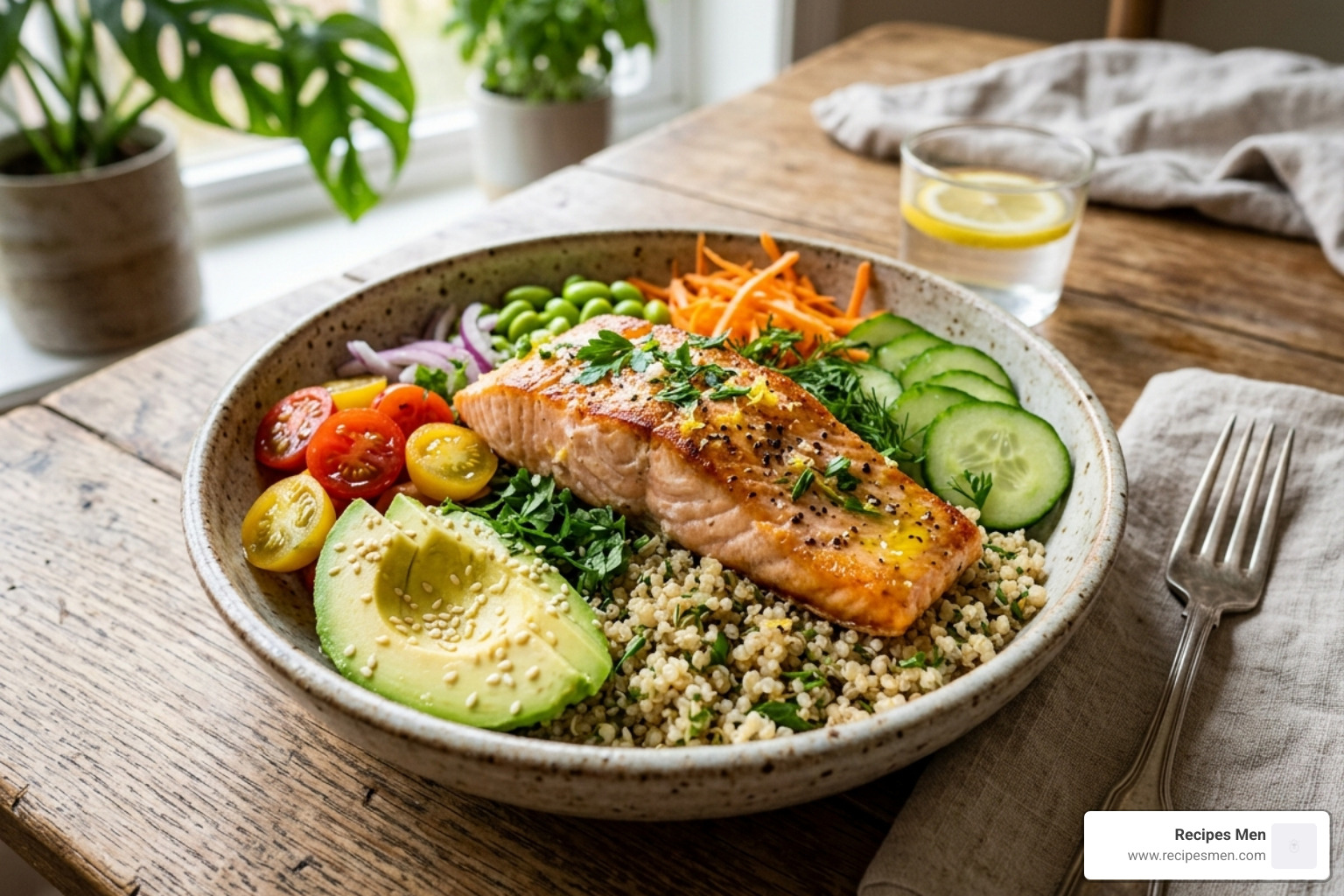
Breakfast Strategies for Mental Clarity
How you start your day sets the tone for your brain chemistry. Instead of a sugary pastry, try these “happy headspace” options:
- Overnight Oats: Mix oats with chia seeds, Greek yogurt, and a handful of walnuts.
- Berry Smoothies: Blend spinach (you won’t taste it!), frozen blueberries, and a scoop of protein powder.
- Egg Muffins: Eggs contain choline, which is vital for brain cell communication. Add some chopped kale and tomatoes for an extra folate boost.
Check out the best breakfast recipes for a happier headspace for more inspiration.
Smart Snacking and Moderation
While superfoods are amazing, “more” isn’t always “better.”
- Portion Control: Nuts are calorie-dense. A small handful (about 1-2 ounces) is all you need for the benefits.
- Mindful Eating: Take the time to savor your food. This improves digestion and helps you recognize “fullness” signals, preventing the lethargy that comes with overeating.
- Quality Over Quantity: Choose dark chocolate with at least 85% cocoa to avoid excess sugar, which can actually worsen anxiety.
Frequently Asked Questions about Superfoods and Mental Health
How quickly can I expect to see mood improvements from dietary changes?
While a blueberry snack might give you a minor lift within hours, significant changes in anxiety and depression symptoms usually take about 28 days. This is the window many studies use to track progress in gut-health interventions. We recommend keeping a simple mood journal to track how you feel as you add these foods to your routine.
Are whole food sources better than mental health supplements?
In most cases, yes. Whole foods offer “synergistic effects.” For example, the fat in salmon helps your body absorb the Vitamin D it contains. Supplements are useful if you have a clinical deficiency (like Vitamin B12 or Vitamin D), but for general Superfoods mental health support, your plate is your best tool. Always consult a professional before starting a new supplement regimen.
Which superfoods are best for preventing cognitive decline and Alzheimer’s?
Strong research points to:
- Lycopene (found in tomatoes): Protects against cell damage linked to Alzheimer’s.
- Saffron: Some studies show it is as effective as certain Alzheimer’s medications for mild symptoms.
- Turmeric (Curcumin): A powerful anti-inflammatory that helps clear brain “plaques.”
- Pomegranate: Supports mitochondrial health and reduces neuroinflammation.
Conclusion
At RecipesMen, we believe that taking care of your mind should be as straightforward as following a good recipe. Superfoods mental health isn’t about perfection; it’s about making small, sustainable choices that add up over time. By filling your plate with fatty fish, vibrant berries, and crunchy nuts, you’re giving your brain the fuel it needs to stay sharp, calm, and resilient.
Ready to take the next step? Start by trying one of our recipes this week. Small changes today lead to a much clearer tomorrow. For more tips on living your best life, explore our ten simple steps to improve your emotional health and wellbeing or start your journey to a sharper mind today.

